Understanding CO2 Laser Resurfacing: A Comprehensive Guide
Discover how CO2 laser resurfacing works, what to expect during treatment...
Read More →Compare IPL and laser treatments to understand which option is best for your specific skin concerns and desired outcomes.
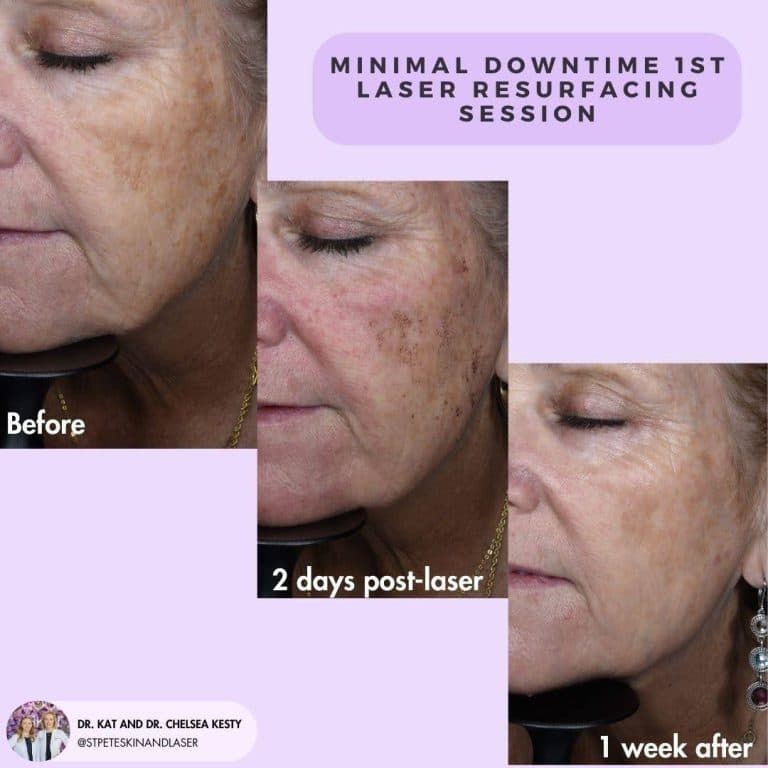
When it comes to light-based skin treatments, patients often wonder about the difference between IPL (Intense Pulsed Light) and laser therapy. While both use light energy to improve skin appearance, they work in distinctly different ways and are suited for different concerns and skin types.
As a Fellowship-Trained laser surgeon with access to both IPL and numerous laser systems, I frequently help patients understand which technology will best address their specific needs. The choice between IPL and laser depends on several factors including skin type, specific concerns, desired downtime, and treatment goals.
IPL technology uses broad-spectrum light that emits multiple wavelengths simultaneously. This light is absorbed by various chromophores (color-absorbing molecules) in the skin, including melanin in pigmented lesions and hemoglobin in blood vessels.
The key advantages of IPL include its ability to treat multiple concerns simultaneously and its gentle approach that requires minimal downtime. IPL is particularly effective for:
Laser therapy uses a single, specific wavelength of light that can be precisely controlled for depth of penetration and energy delivery. This precision allows for targeted treatment of specific concerns with predictable results.
Different laser wavelengths target different tissue components, allowing for highly customized treatments. Our extensive laser collection includes options for:
The decision between IPL and laser therapy depends on several key factors that we evaluate during your consultation:
IPL works best on lighter skin types (Fitzpatrick I-III) due to its broad spectrum approach. Laser therapy can be customized for all skin types, with specific wavelengths selected based on skin tone and concerns.
For multiple, mild concerns across a large area, IPL often provides excellent results with minimal downtime. For specific, more severe concerns requiring precise targeting, laser therapy typically delivers superior outcomes.
IPL requires a series of treatments for optimal results but offers the convenience of minimal downtime. Laser treatments can provide more dramatic results in fewer sessions but may require more recovery time depending on the intensity.
| Factor | IPL | Laser |
|---|---|---|
| Downtime | Minimal to none | Varies (none to weeks) |
| Sessions Needed | 4-6 typically | 1-3 typically |
| Precision | Broad treatment | Highly precise |
| Best For | Multiple mild concerns | Specific concerns |
In many cases, the best results come from combining IPL and laser treatments. For example, we might use laser therapy to address specific concerns like deep wrinkles or scars, then follow with IPL treatments for overall skin tone and texture improvement.
This combination approach allows us to address multiple concerns efficiently while optimizing results and minimizing overall treatment time.
Both IPL and laser treatments require extensive training and experience to perform safely and effectively. The key to success lies not just in having the right technology, but in understanding how to customize treatments for each patient's unique needs.
At St. Petersburg Skin and Laser, our comprehensive approach includes thorough consultation, careful treatment planning, and ongoing monitoring to ensure optimal results with minimal risk.
Schedule a consultation to discuss your specific concerns and learn which light-based treatment will best help you achieve your aesthetic goals.
Explore more insights from Dr. Kesty's blog about advanced laser treatments and skin health
Discover how CO2 laser resurfacing works, what to expect during treatment...
Read More →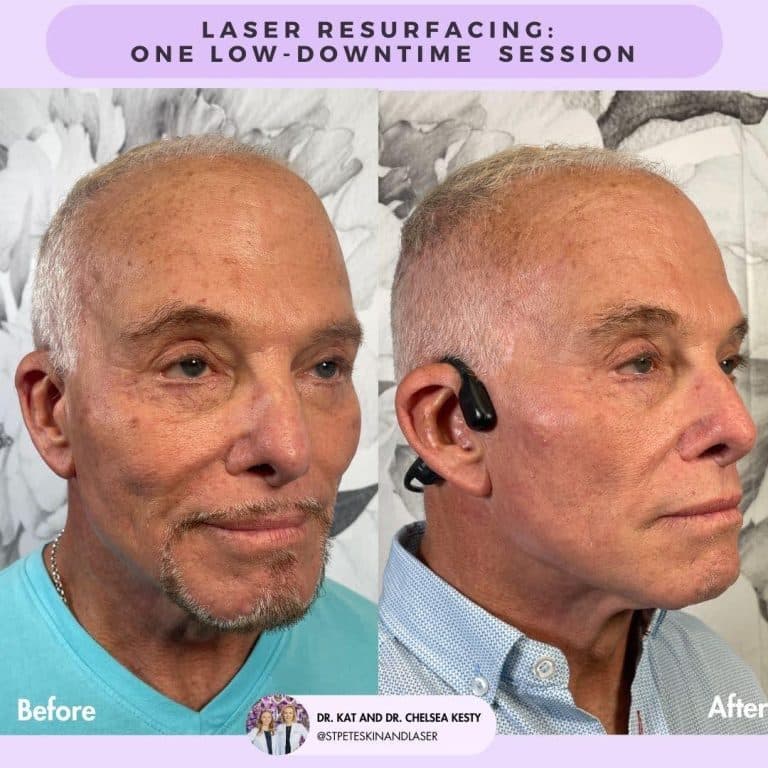
Learn how advanced laser technology stimulates collagen production...
Read More →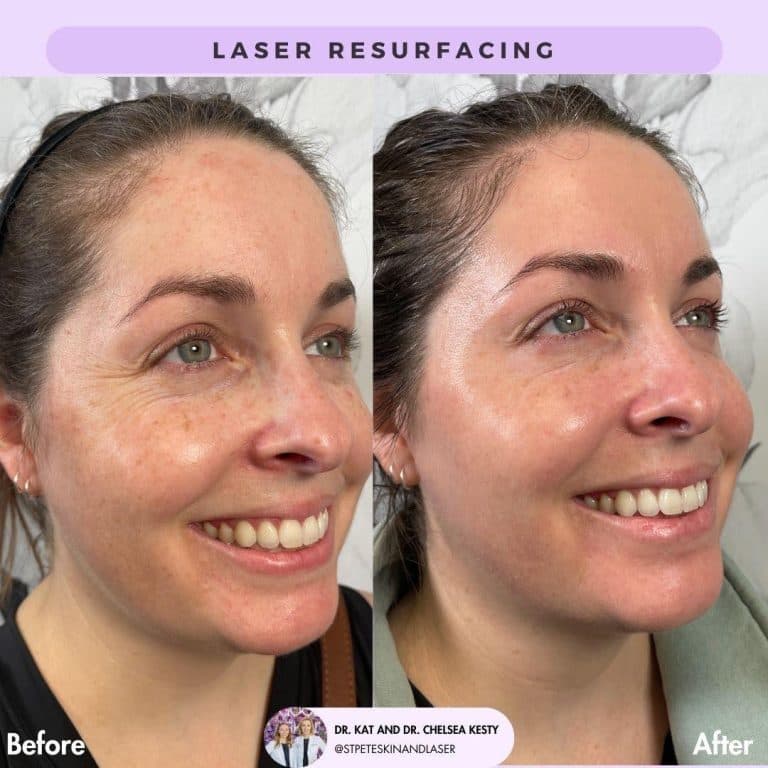
Learn about gentle laser treatments that stimulate collagen production...
Read More →The laser most often compared with IPL for pigment is a pico laser facial.