CO2 Laser Resurfacing in St. Petersburg, Florida
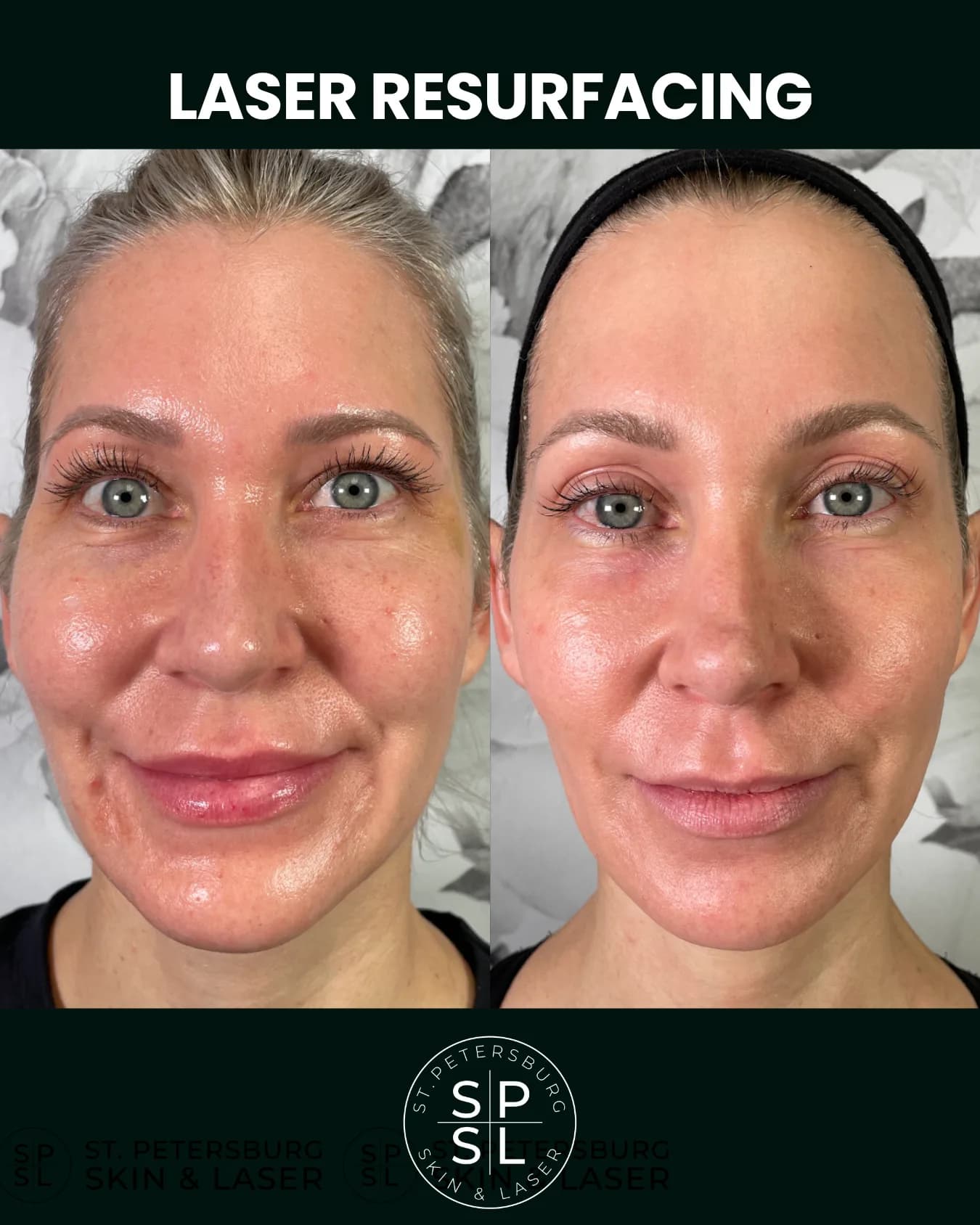
CO2 Laser remains one of the most powerful tools in Cosmetic Dermatology for meaningful improvement in wrinkles, sun damage, texture, and certain acne scars — performed only by our physicians at St. Petersburg Skin and Laser.
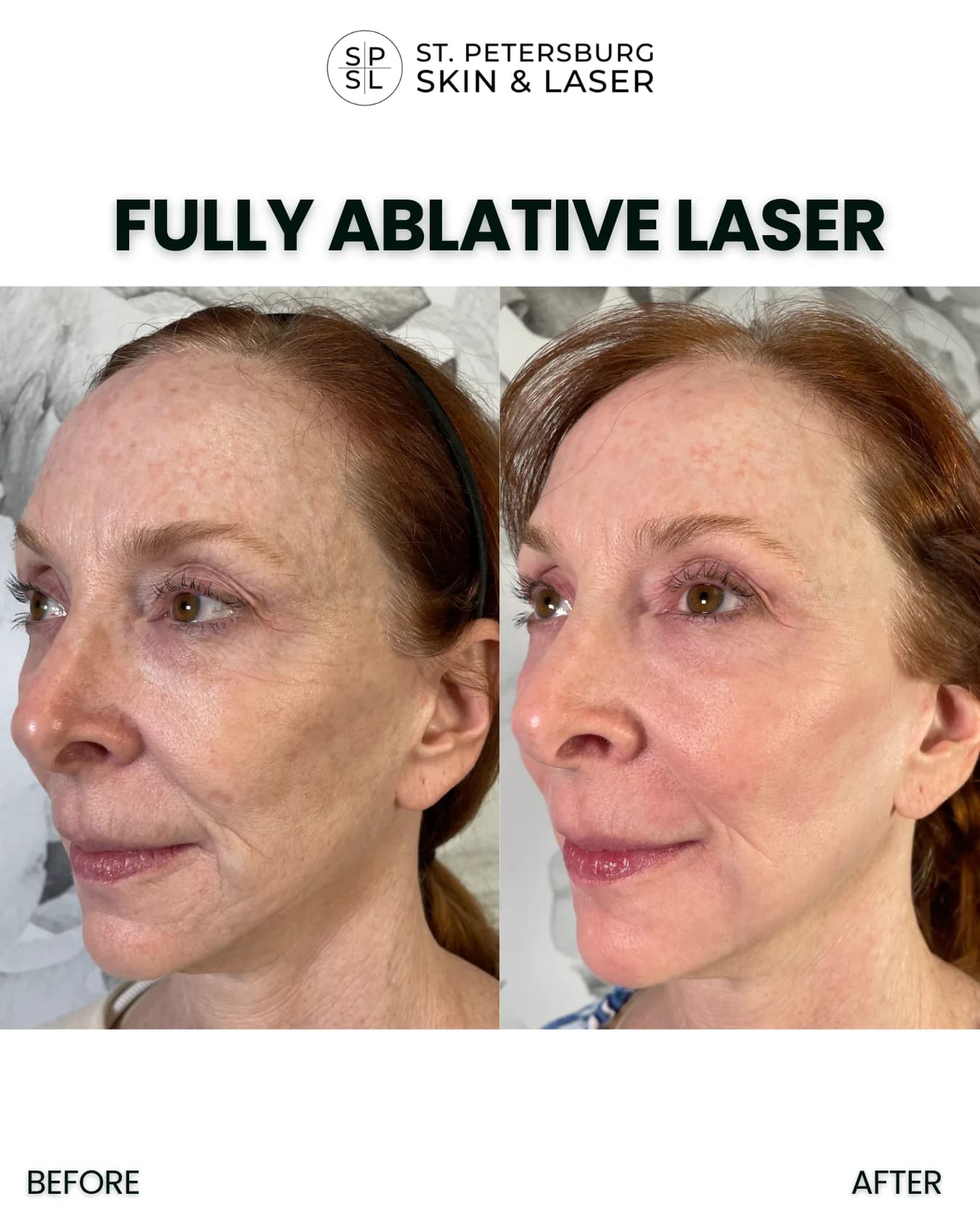
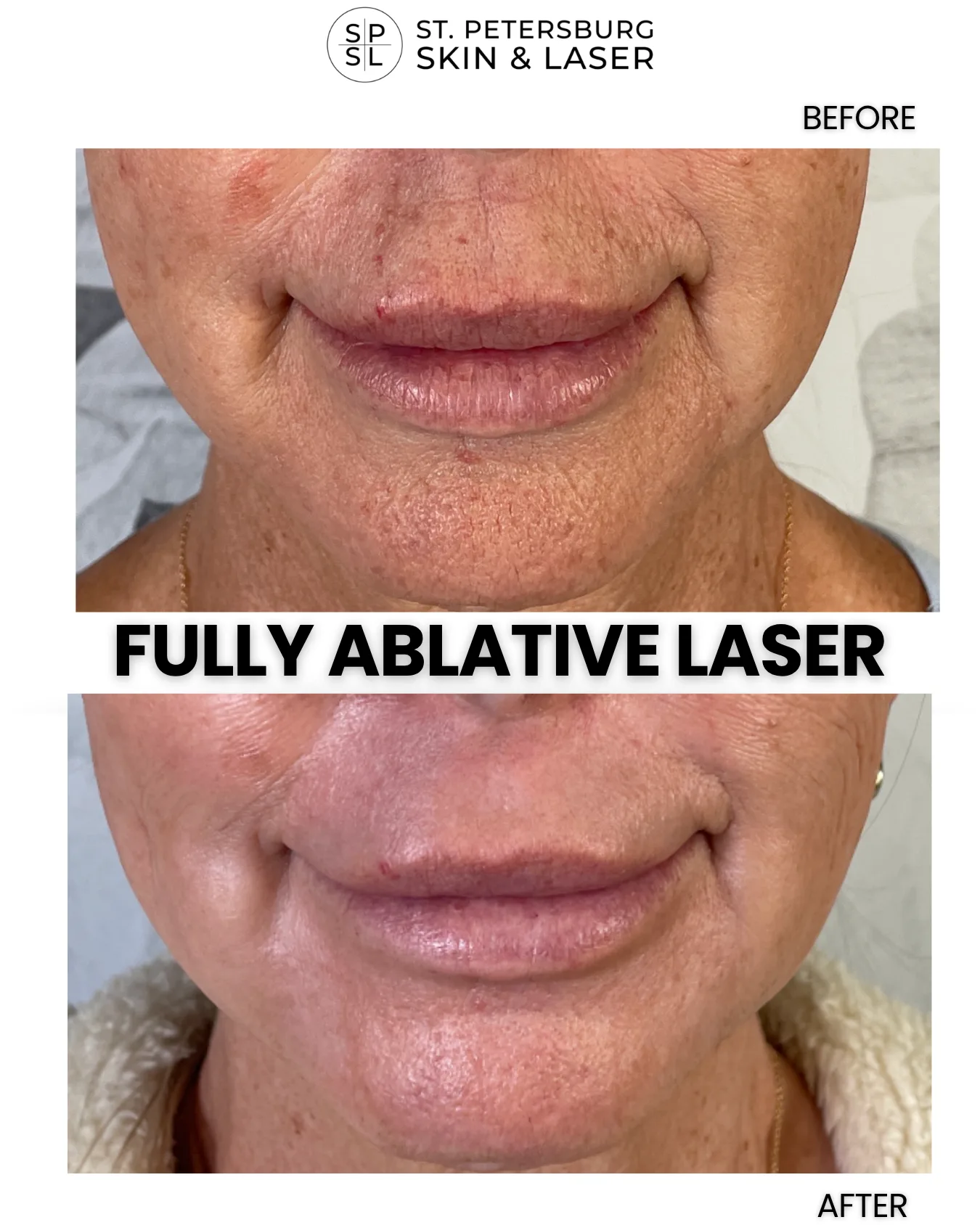
CO2 Laser resurfacing remains one of the most powerful tools we use in Cosmetic Dermatology when the goal is meaningful improvement in wrinkles, sun damage, texture irregularities, and certain acne scars. At St. Petersburg Skin and Laser, we use CO2 Laser technology as part of a physician-performed approach to skin rejuvenation, with treatment selection based on anatomy, skin quality, healing capacity, and the degree of correction a patient actually needs.
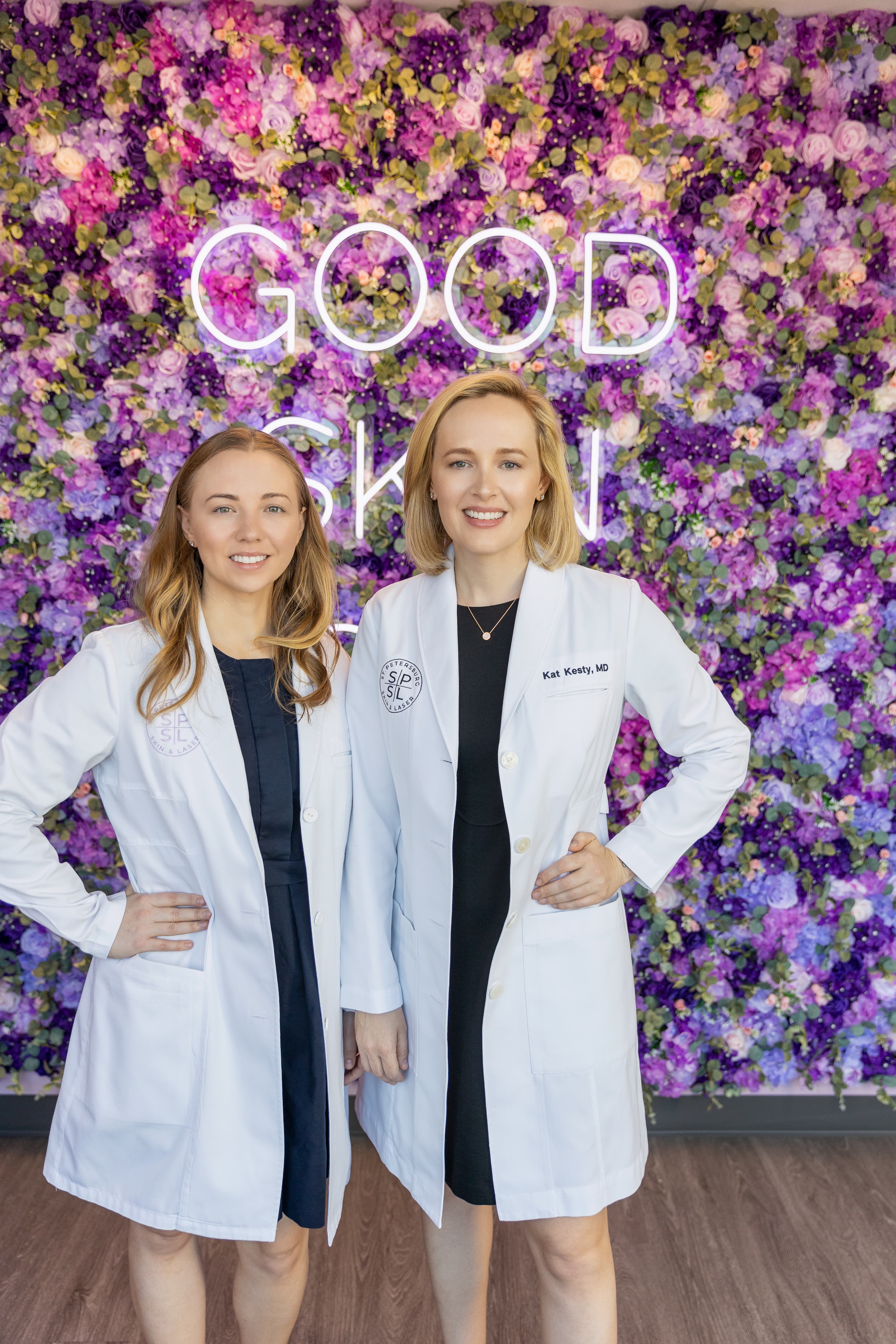
We are Dr. Kat Kesty and Dr. Chelsea Kesty, Double Board Certified Dermatologists. Dr. Kat Kesty also completed a Laser Surgery Fellowship and is a Fellowship Trained Laser Surgeon. Both physicians have extensive experience with advanced Laser procedures, including resurfacing treatments that require careful judgment around depth, recovery, pigment risk, and long-term skin outcomes. Our practice is physician-only, and Laser treatments are not delegated to non-physicians.
Key Takeaways
- CO2 Laser is an ablative resurfacing technology that removes damaged outer skin while creating controlled thermal injury in the dermis to stimulate collagen remodeling and skin tightening.
- We most often consider CO2 Laser for deeper wrinkles, advanced sun damage, prominent acne scars, and significant texture irregularities.
- CO2 Laser can be performed in Fractional or full-field formats; recovery depends on how aggressive the treatment is.
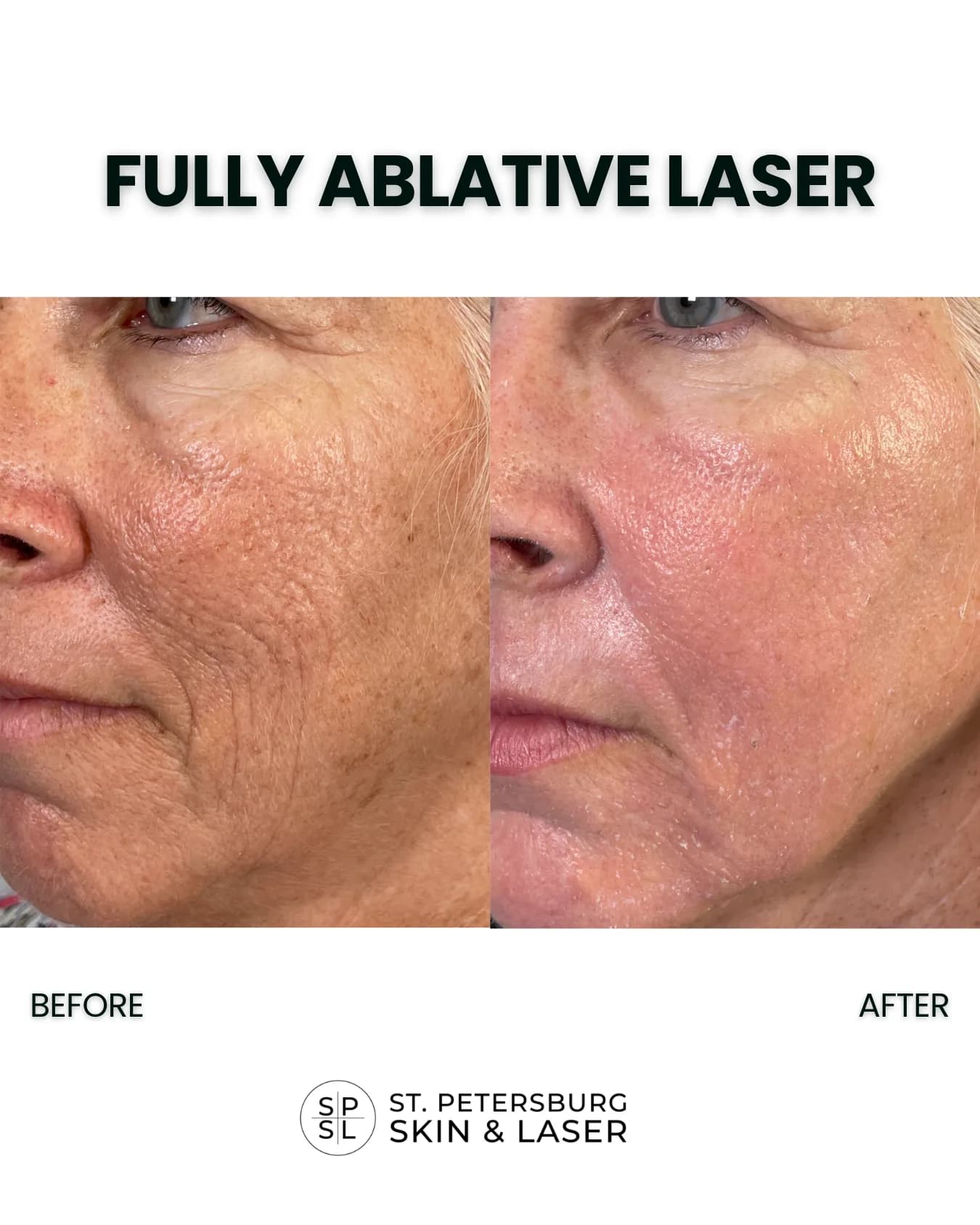
- Fully ablative resurfacing delivers more dramatic correction but requires more downtime and a more demanding healing period.
- Fractional CO2 Laser typically offers a shorter recovery window than full-field resurfacing.
- CO2 Laser is not right for every patient — Erbium, non-ablative devices, injectables, or surgery may be better depending on laxity, skin type, and goals.
- Physician expertise matters because ablative Laser treatments require decision-making on candidacy, pretreatment planning, wound care, and complication management.
Procedure Overview
At a Glance
- Procedure Name: CO2 Laser Resurfacing
- Specialty: Dermatology / Cosmetic Dermatology
- Procedure Type: Ablative Laser Resurfacing
- Technology: Carbon Dioxide Laser, 10,600 nm
- Common Concerns: Wrinkles, sun damage, acne scars, texture, photodamage
- Typical Recovery: 4–10 days fractional; 14–21 days full-field
- Performed By: Dr. Kat Kesty and Dr. Chelsea Kesty
What Is a CO2 Laser?
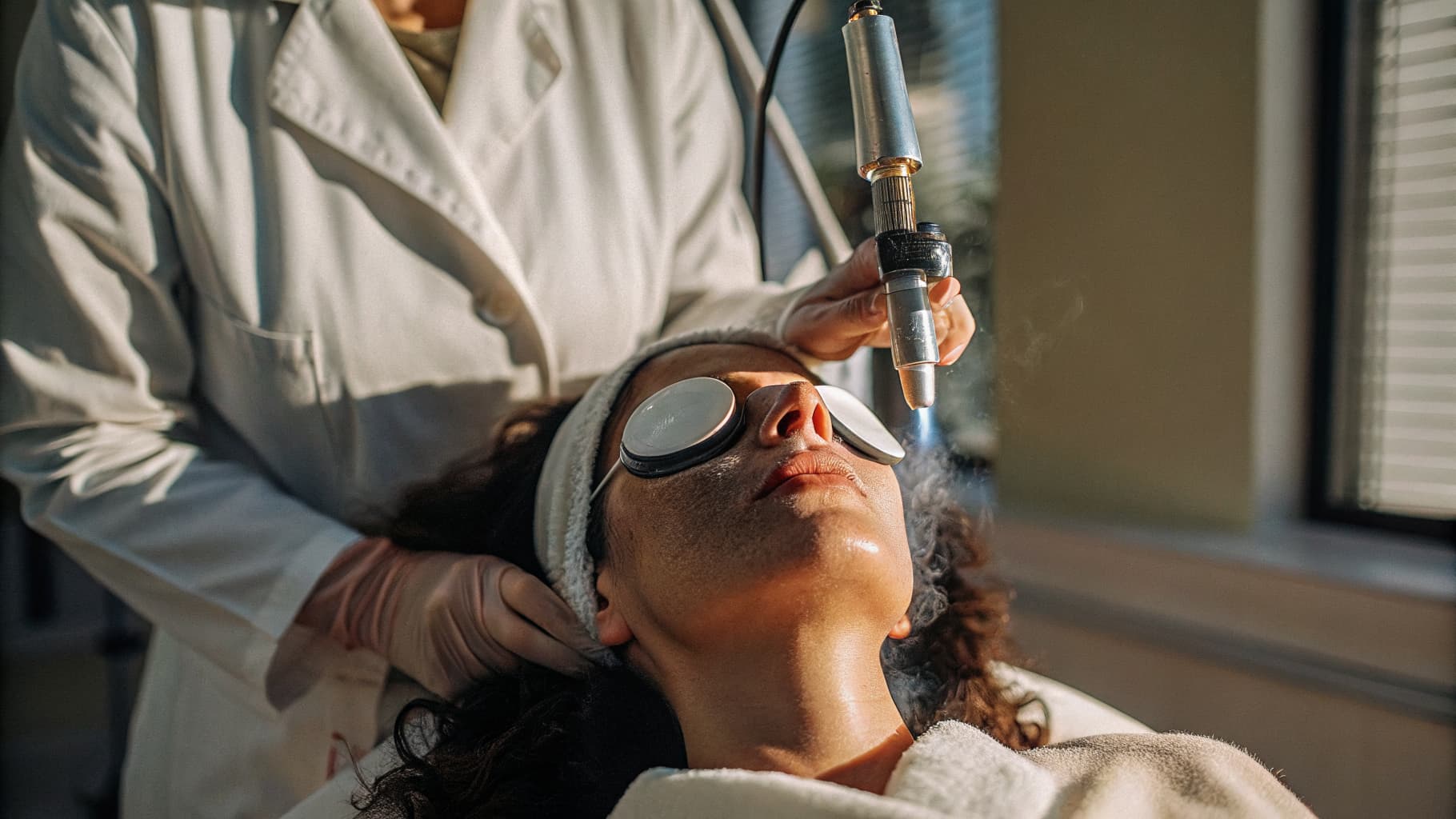
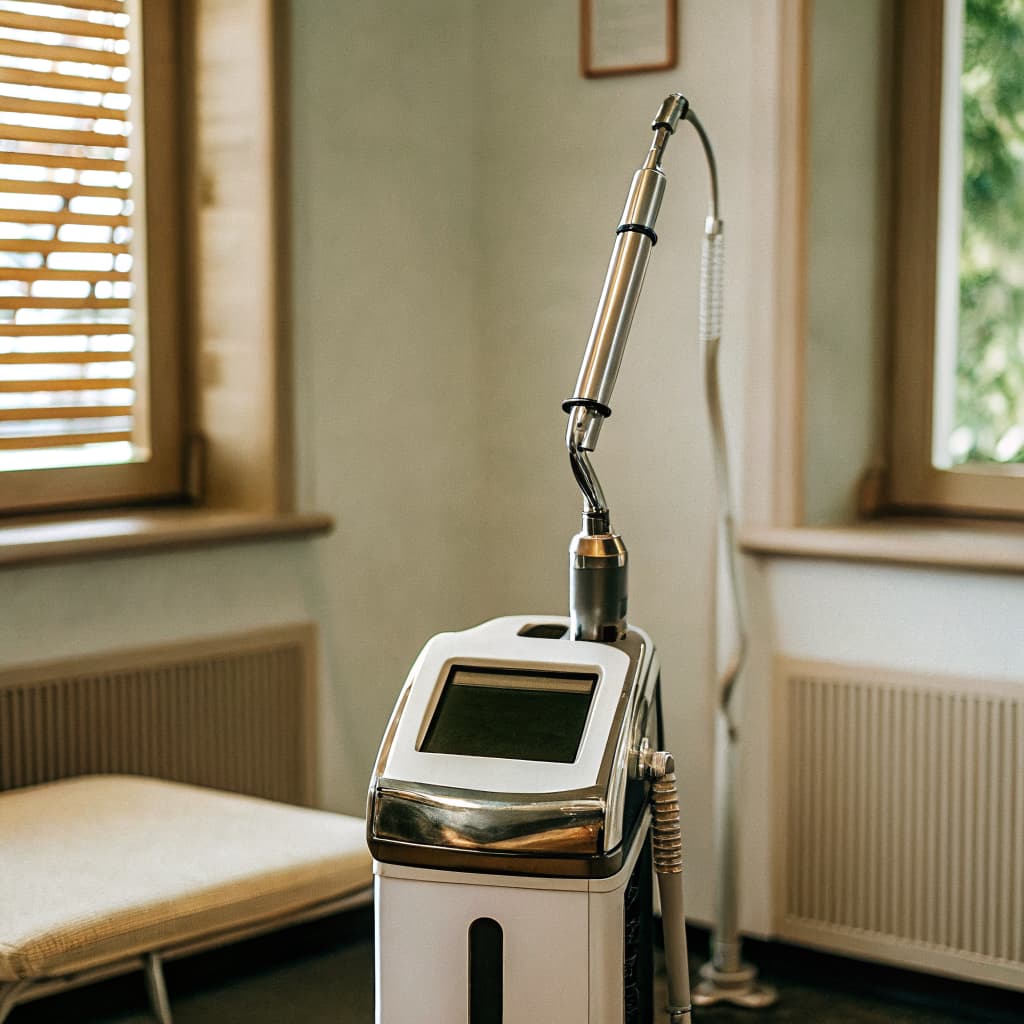
CO2 Laser is an ablative Laser resurfacing treatment that uses a carbon dioxide wavelength to vaporize damaged superficial skin while also delivering heat into the dermis. That combination allows it to improve texture, wrinkles, photodamage, and some scarring while stimulating collagen remodeling during healing.
In practical terms, CO2 Laser is one of the most effective resurfacing options for patients who need more correction than lighter treatments can realistically provide. It is commonly used when skin damage is more established and when visible resurfacing is part of the treatment goal.
Common Questions Patients Ask
Is CO2 Laser good for wrinkles?
CO2 Laser is one of the strongest resurfacing options for wrinkles because it treats both the skin surface and the underlying dermis. It is especially useful when lines are etched into the skin and milder treatments are unlikely to create enough change. Smoother texture, softer lines, and firmer skin over time are typical outcomes in the right patient.
Does CO2 Laser tighten skin?
CO2 Laser can improve mild to moderate skin laxity because the heat generated below the ablation zone causes collagen contraction and stimulates remodeling. It does not replace surgery when true excess skin is the main issue.
Is CO2 Laser better than lighter resurfacing treatments?
CO2 Laser is often better for more advanced damage, but it is not automatically better for every patient. It is a higher-intensity treatment with more downtime, more wound care, and a narrower margin for error than many lighter resurfacing options.
Can CO2 Laser treat acne scars?
CO2 Laser can help improve certain acne scars, particularly textural irregularities that benefit from resurfacing and collagen remodeling. It does not erase every scar, and scar type still matters when we design a treatment plan.
How long is CO2 Laser recovery?
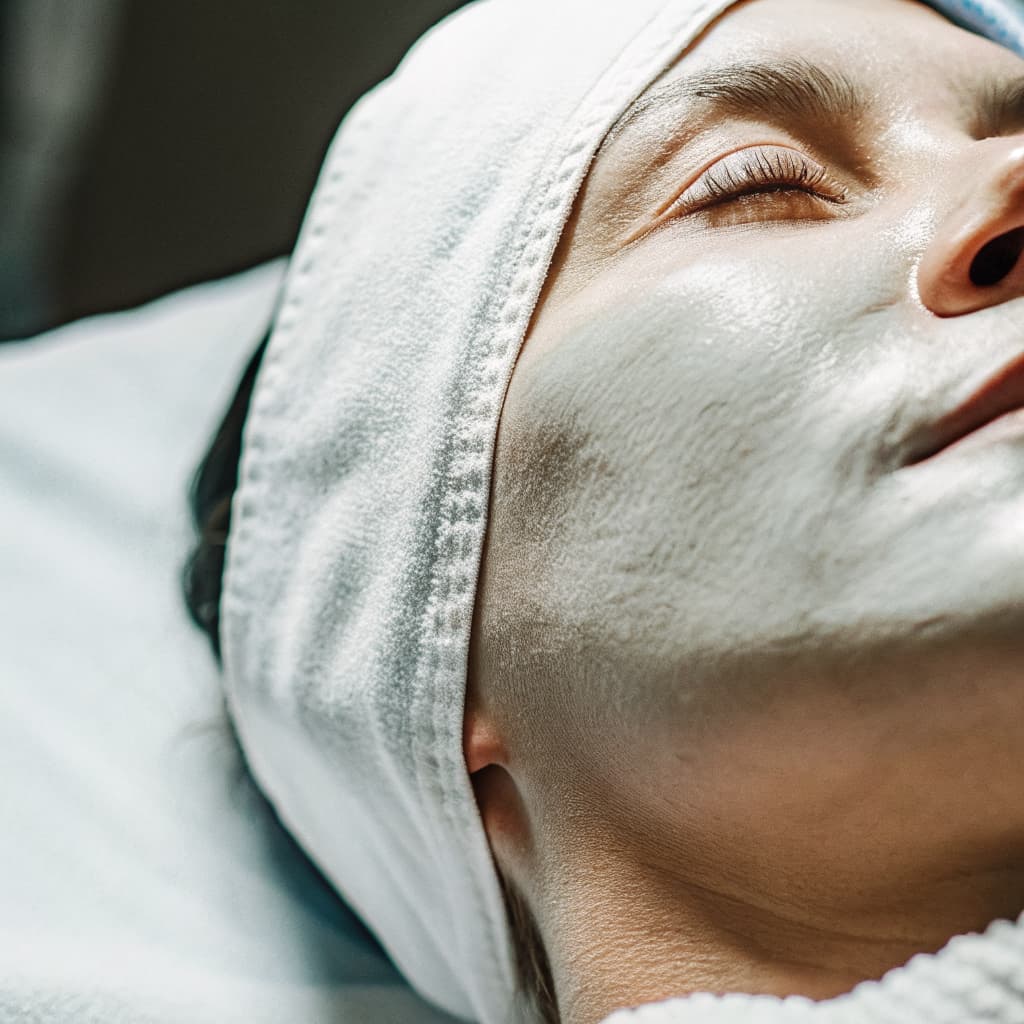
Recovery depends on whether the treatment is Fractional or full-field and how aggressively the skin is treated. Fractional CO2 often involves several days of redness, swelling, and exfoliation, while full-field resurfacing commonly requires closer to two to three weeks before many patients feel socially ready.
Conditions and Concerns CO2 Laser May Treat
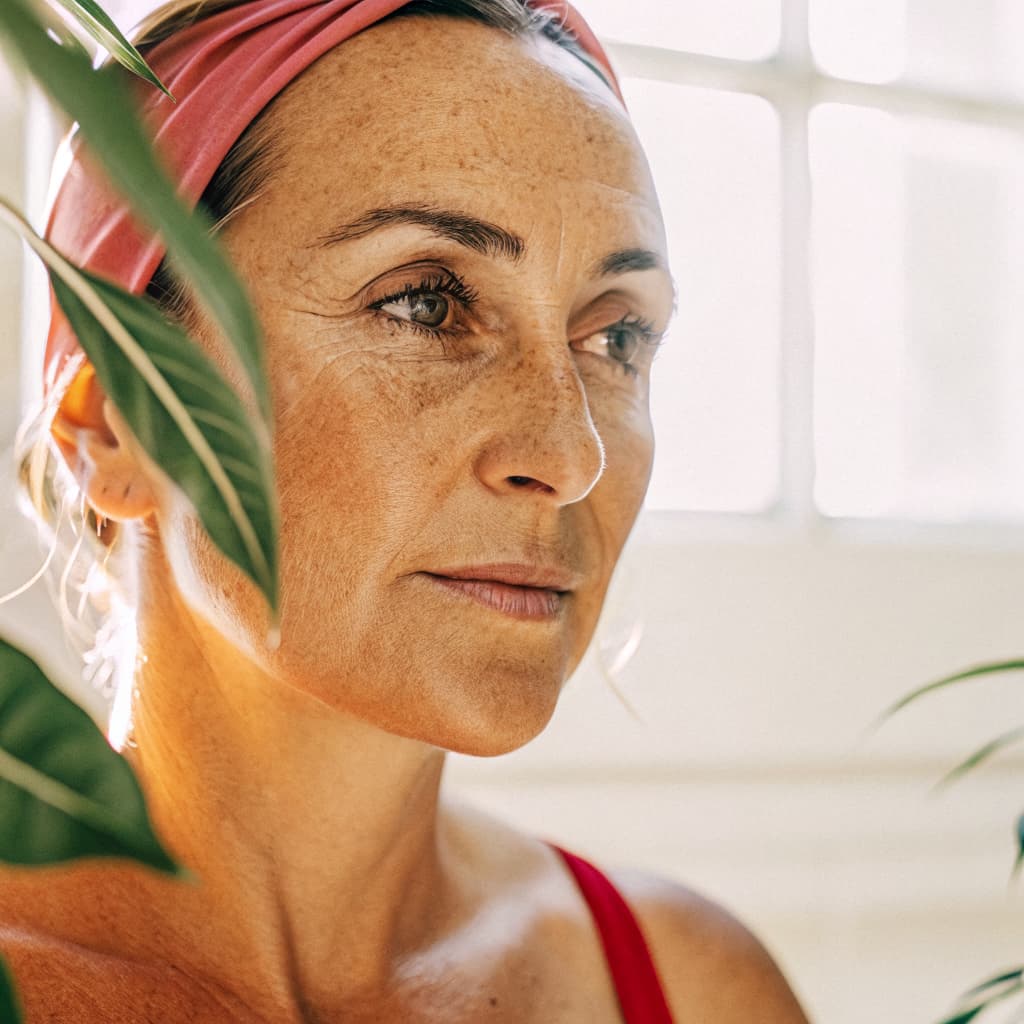
Wrinkles & Fine Lines
Etched dynamic and static wrinkles benefit from combined surface ablation and dermal collagen remodeling.
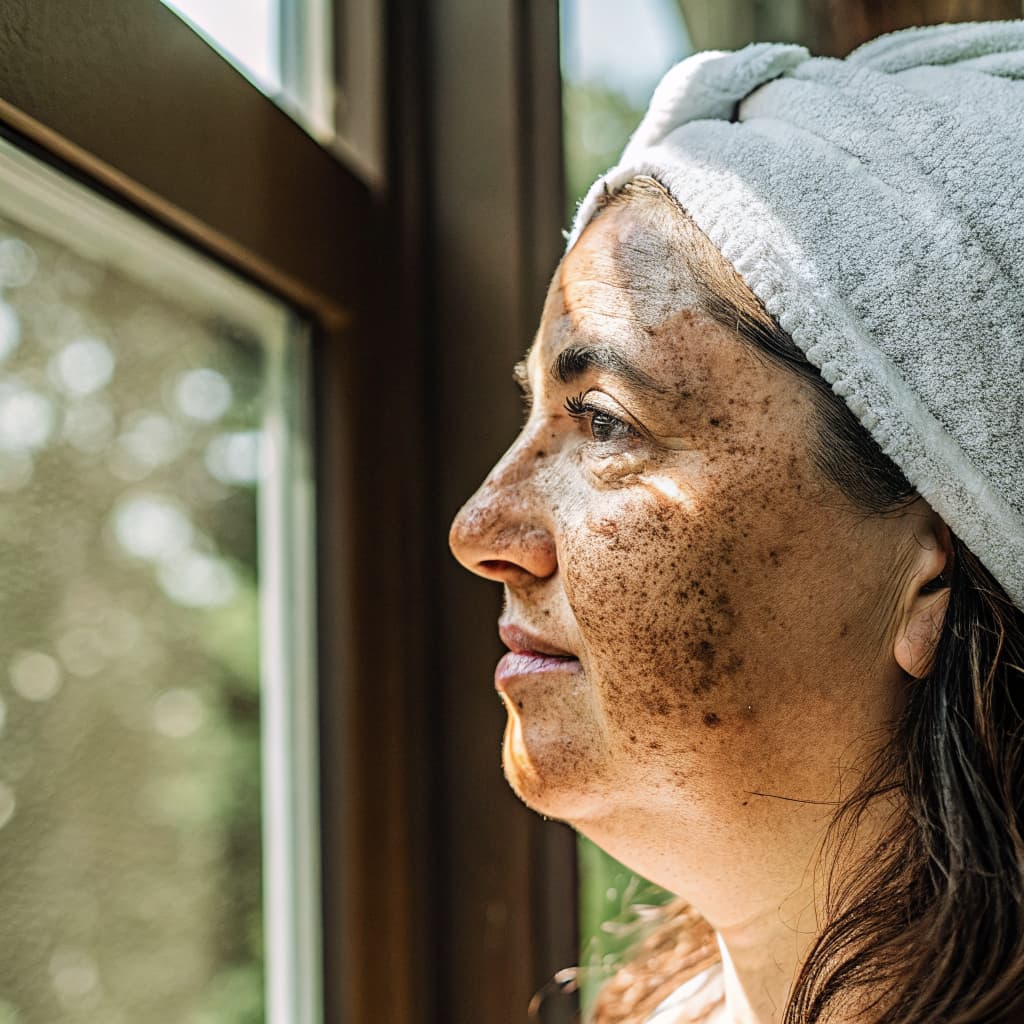
Severe Sun Damage
Addresses rough texture, photodamage, and pigment irregularity from chronic UV injury.
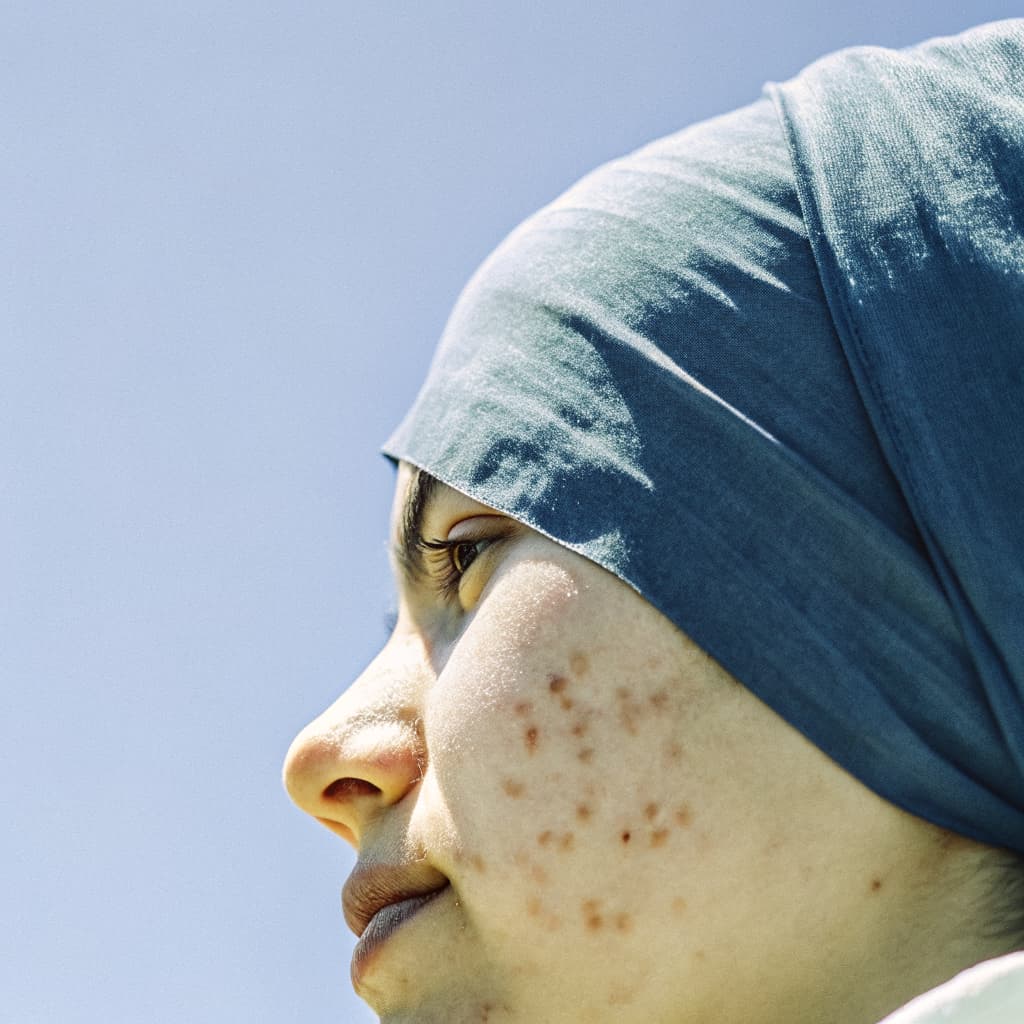
Acne Scars
Effective for boxcar scars, rolling scars, and mixed textural irregularity after acne.
- Uneven texture
- Enlarged pores
- Pigment irregularity from chronic sun injury
- Crepey skin in selected areas
- Advanced skin aging changes
How CO2 Laser Works
CO2 Lasers emit energy at a wavelength of 10,600 nm, which is strongly absorbed by water in the skin. Because skin contains substantial water, that energy can precisely ablate superficial tissue while the surrounding thermal effect creates coagulation and a deeper wound-healing response in the dermis.
Fractional CO2 creates microscopic treatment columns separated by untreated skin, which can shorten recovery relative to full-field resurfacing while still producing meaningful improvement. Depth, density, anatomical location, skin type, and post-care all determine whether the biologic response leads to excellent healing or unnecessary risk.
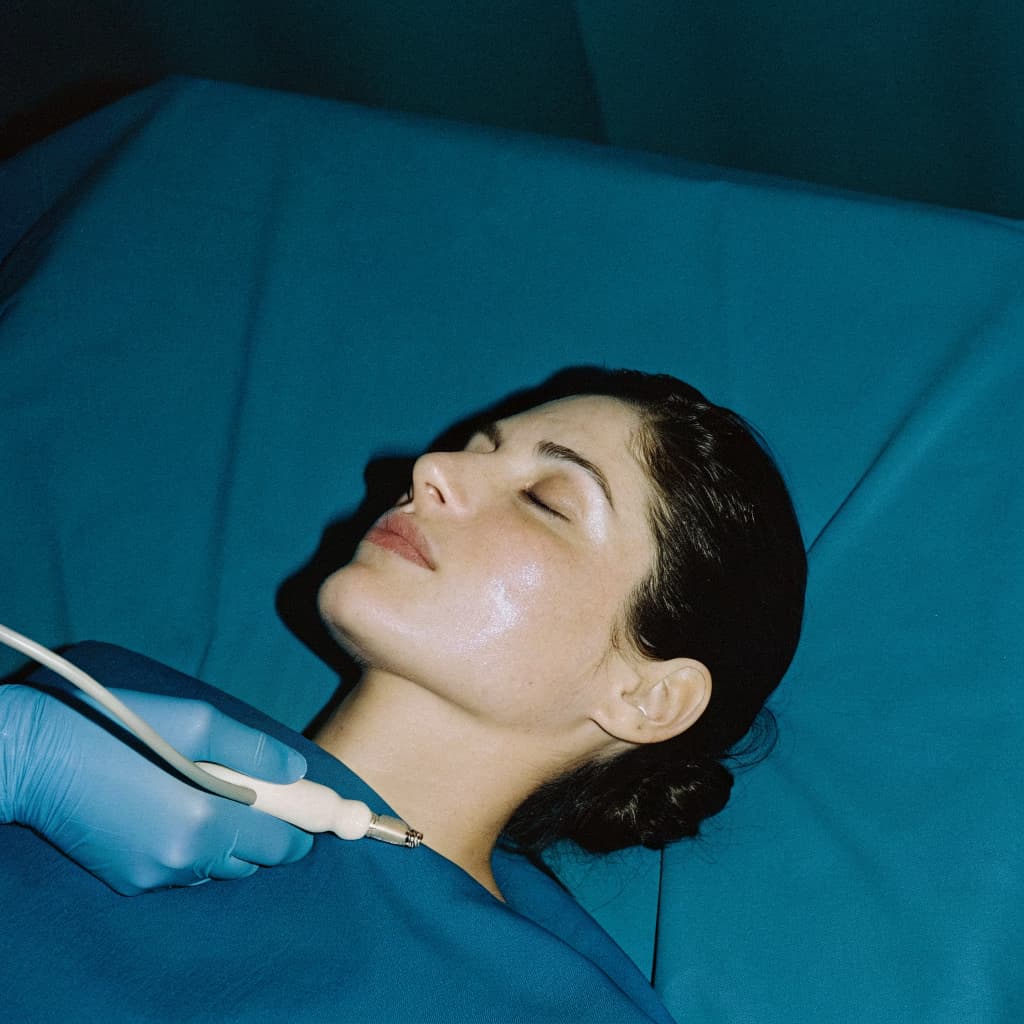
Who Is a Candidate for CO2 Laser?

We most often consider CO2 Laser for patients with moderate to advanced photoaging, etched wrinkles, significant textural change, or acne scars that need more than a light refresh. Candidates should heal predictably, follow recovery instructions, and be realistic about redness, wound care, and gradual improvement over time.
Patients may not be ideal candidates if they cannot accept downtime, have active infection in the treatment area, are poor wound healers, or have risk factors that make pigment change or prolonged recovery more likely.
Risks and Safety
CO2 Laser is effective, but it is not casual skin care. Realistic risks include prolonged redness, swelling, infection, post-inflammatory pigment change, delayed healing, scarring, and dissatisfaction if the treatment is not matched correctly to the problem.
Safety depends on proper patient selection, careful pretreatment review, appropriate perioperative care, and disciplined aftercare — all overseen by the physician performing the treatment.
Recovery Timeline
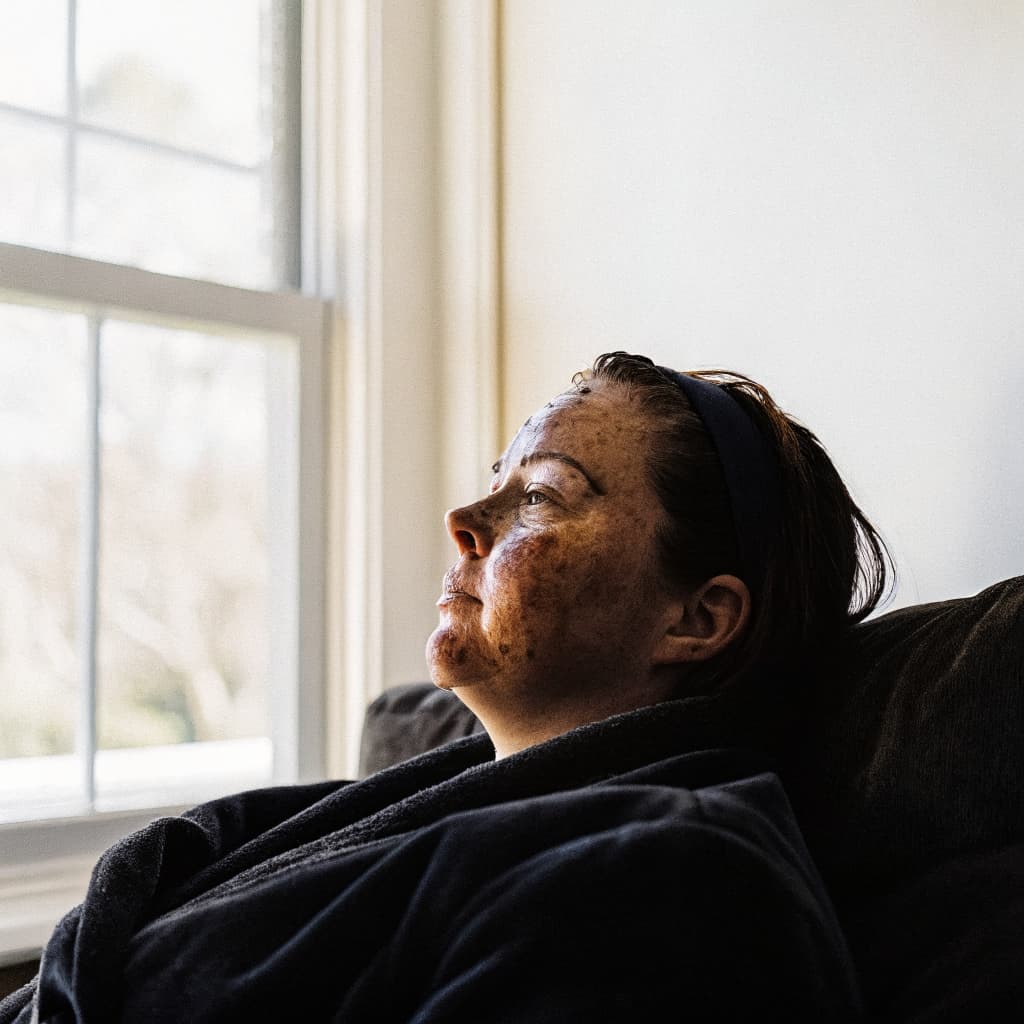
Days 1–3
Redness, swelling, warmth, and a raw or bronzed surface are common early findings after CO2 resurfacing.
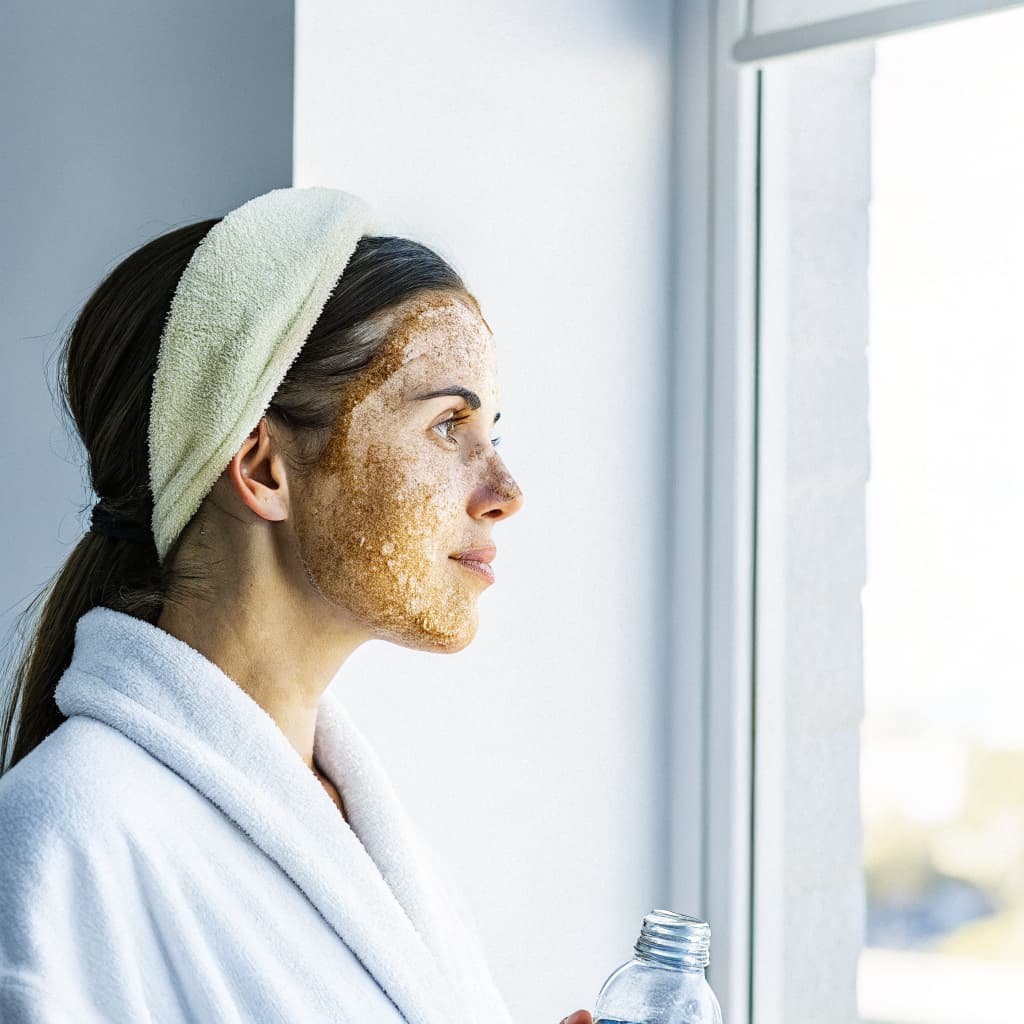
Days 4–7
Many Fractional treatments are well into the peeling and re-epithelialization phase by this point.
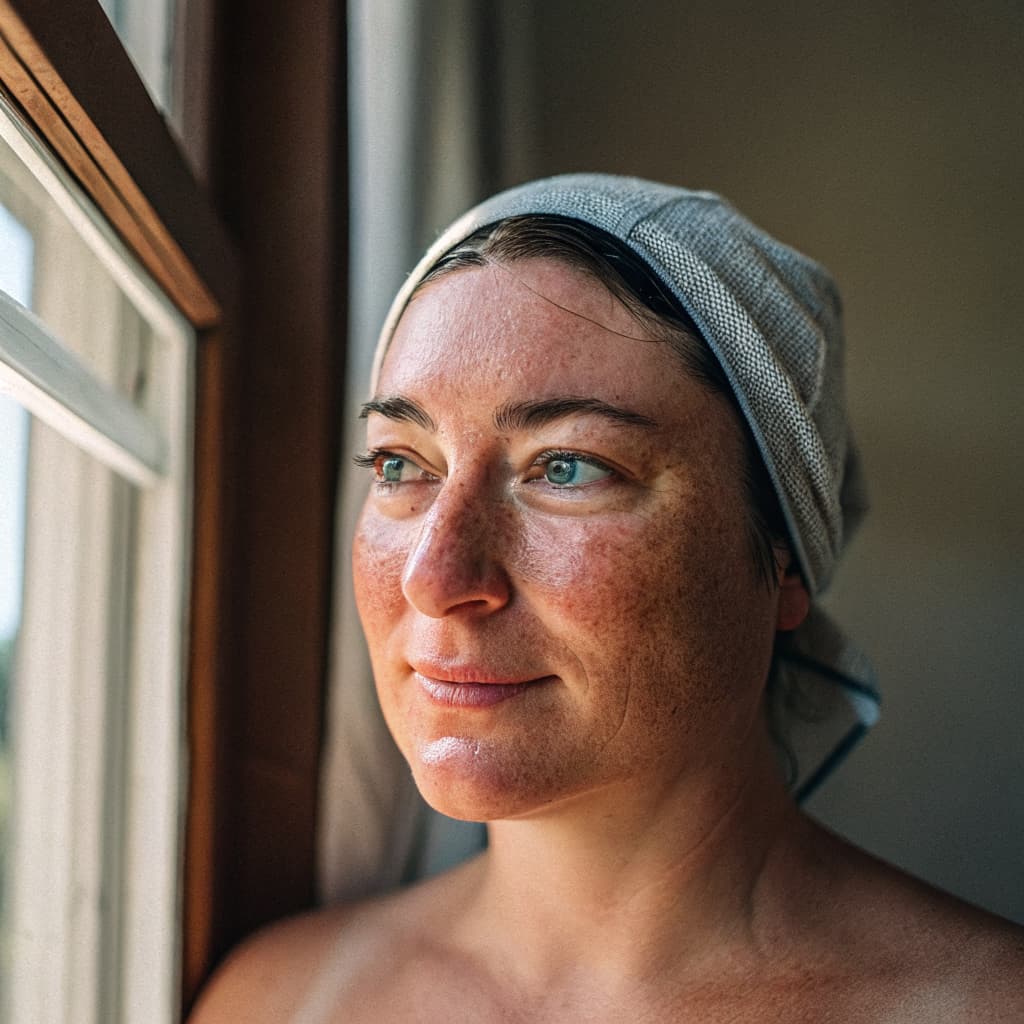
Days 7–14
Patients often look substantially better by this stage, but pinkness can persist.
Results Timeline
Week 1
Early improvement is mostly related to removal of damaged surface skin and the initial healing response.
Week 2
Redness generally continues to settle and texture improvement becomes more visible.
Months 1–3
Ongoing collagen remodeling helps explain why results continue to evolve after the initial recovery phase.

CO2 Laser vs Erbium Laser
CO2 Laser is usually chosen when a patient needs more aggressive resurfacing and stronger collagen remodeling, while Erbium is often useful when a more superficial ablation profile and shorter recovery are priorities.
| Feature | CO2 Laser | Erbium Laser |
|---|---|---|
| Tissue effect | More thermal effect and coagulation | More superficial ablation with less thermal injury |
| Typical use | Deeper wrinkles, advanced sun damage, prominent scars | Moderate lines, sun damage, scars and texture |
| Downtime | Often longer | Often shorter |
| Bleeding control | Greater coagulation | Less coagulation |
| Intensity | Generally more aggressive | Tunable nature of intensity |
When CO2 May Be Preferred
When skin changes are advanced enough that lighter resurfacing is unlikely to be worth the downtime.
When Erbium May Be Preferred
When precision with less heat is desirable and the recovery window needs to be shorter.
Why Physician Expertise Matters
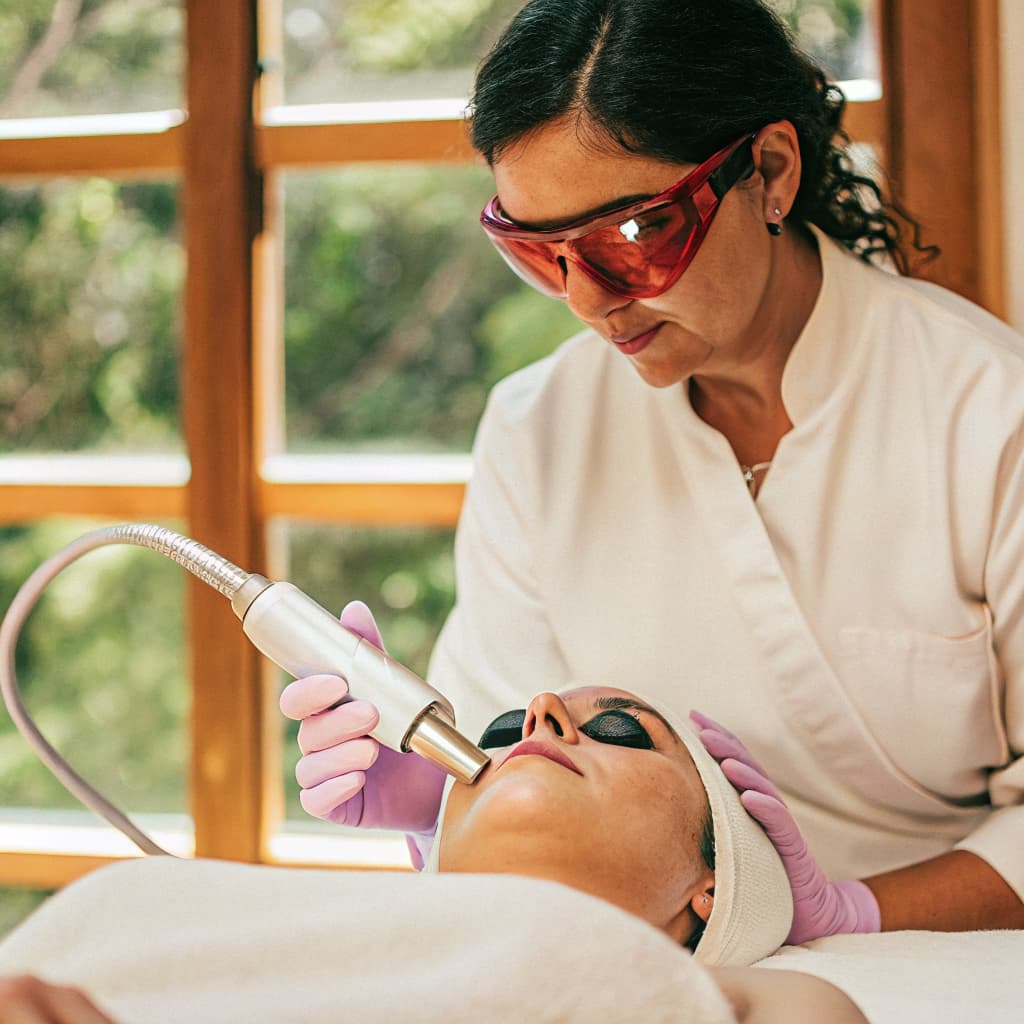
Ablative Laser resurfacing is not just a device treatment. It is medical decision-making — whether the problem is truly one of texture, laxity, pigmentation, volume loss, scar architecture, or anatomy.
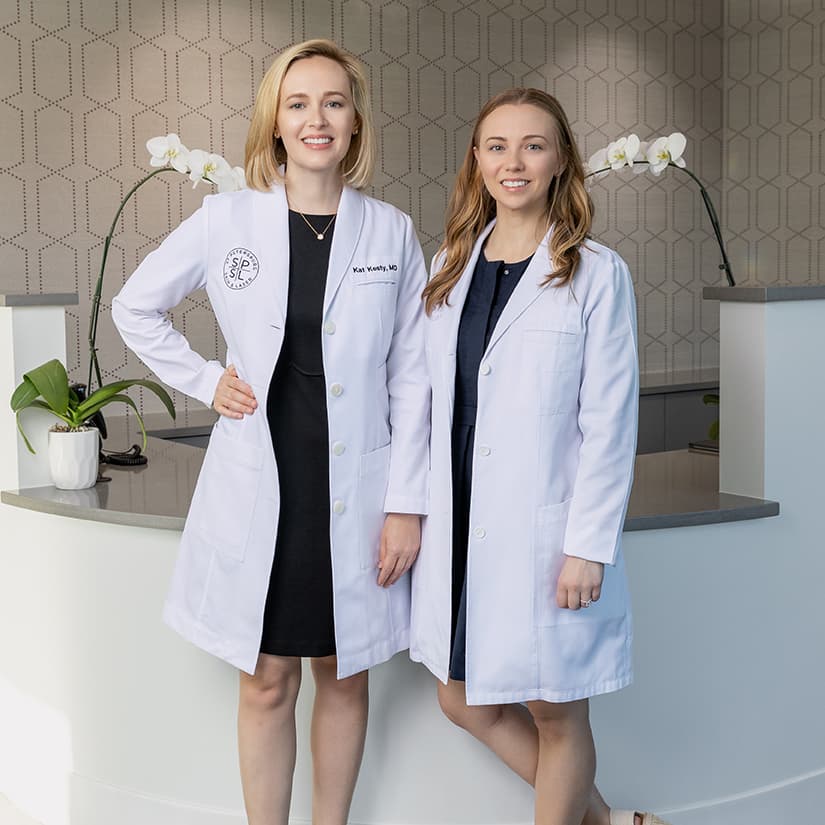
At St. Petersburg Skin and Laser, all Laser procedures are physician-performed by Dr. Kat Kesty and Dr. Chelsea Kesty, Double Board Certified Dermatologists.
Why Patients Travel to St. Petersburg Skin and Laser
Patients seeking advanced resurfacing care about more than access to a machine. They want physician-only care, thoughtful planning, and clear expectations around downtime and recovery.
That is why many patients come from Tampa, Clearwater, Sarasota, Orlando, Miami, and beyond. Treatment quality depends on judgment, customization, and follow-up.
Consultation Process
When we evaluate a patient for CO2 Laser, we look at skin quality, wrinkle depth, scar pattern, pigment history, anatomy, previous procedures, and the downtime that is realistic.
Our job is to determine whether CO2 Laser is the best option, whether a different ablative Laser would be smarter, or whether the concern is better addressed by surgery, injectables, or a combination plan.
Frequently Asked Questions
Medical Expertise and Review

Related treatments
Two no-downtime alternatives performed on our picosecond platform.
- Laser facial (pico)Picosecond laser for melasma, sun spots and uneven tone with little to no downtime.Read more
- Laser tattoo removalFour-wavelength picosecond removal for black, color and previously stubborn ink, by a dermatologist.Read more
- Laser skin resurfacingCompare every option we offer.Read more
Trusted by Patients & Recognized by Industry Leaders