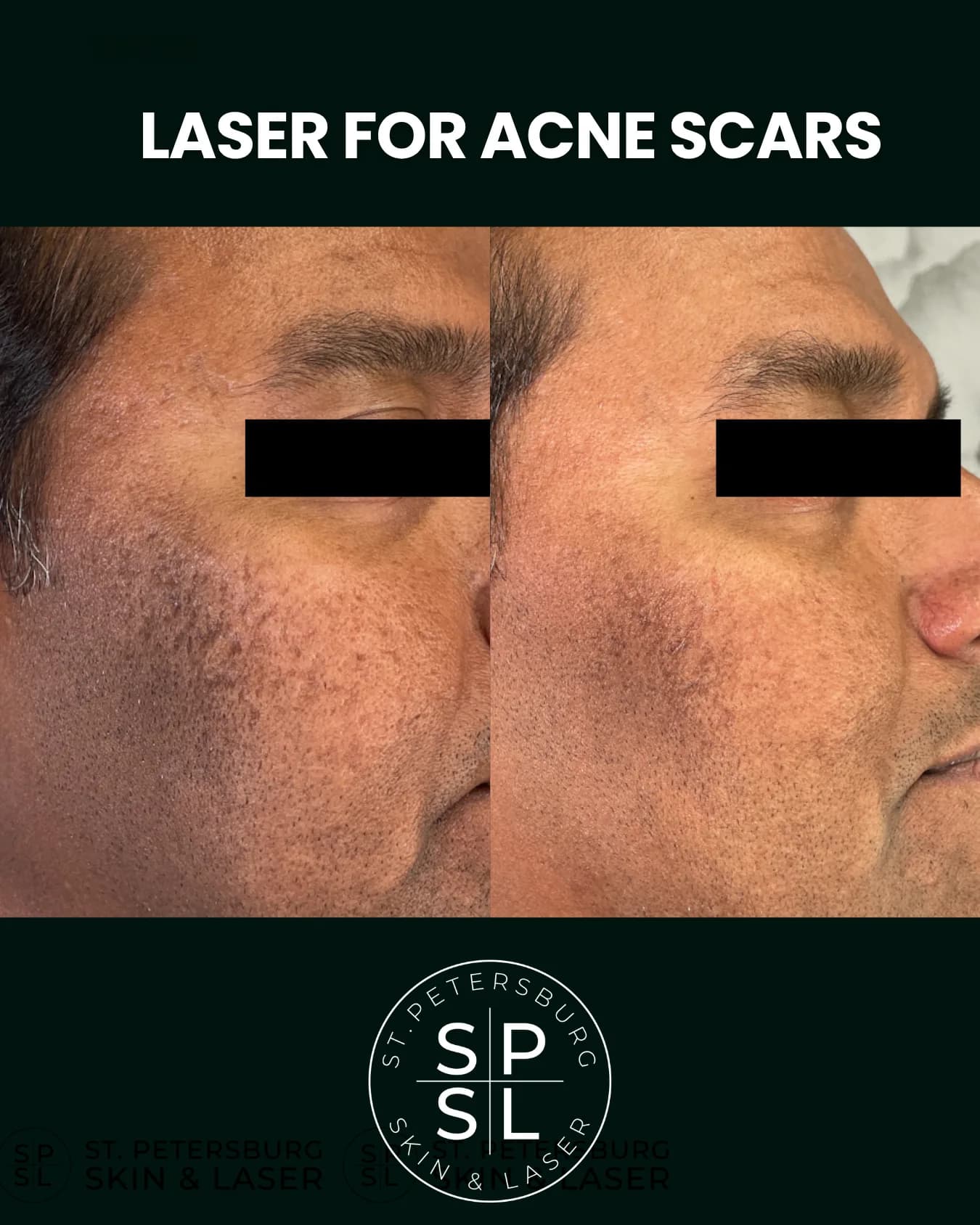
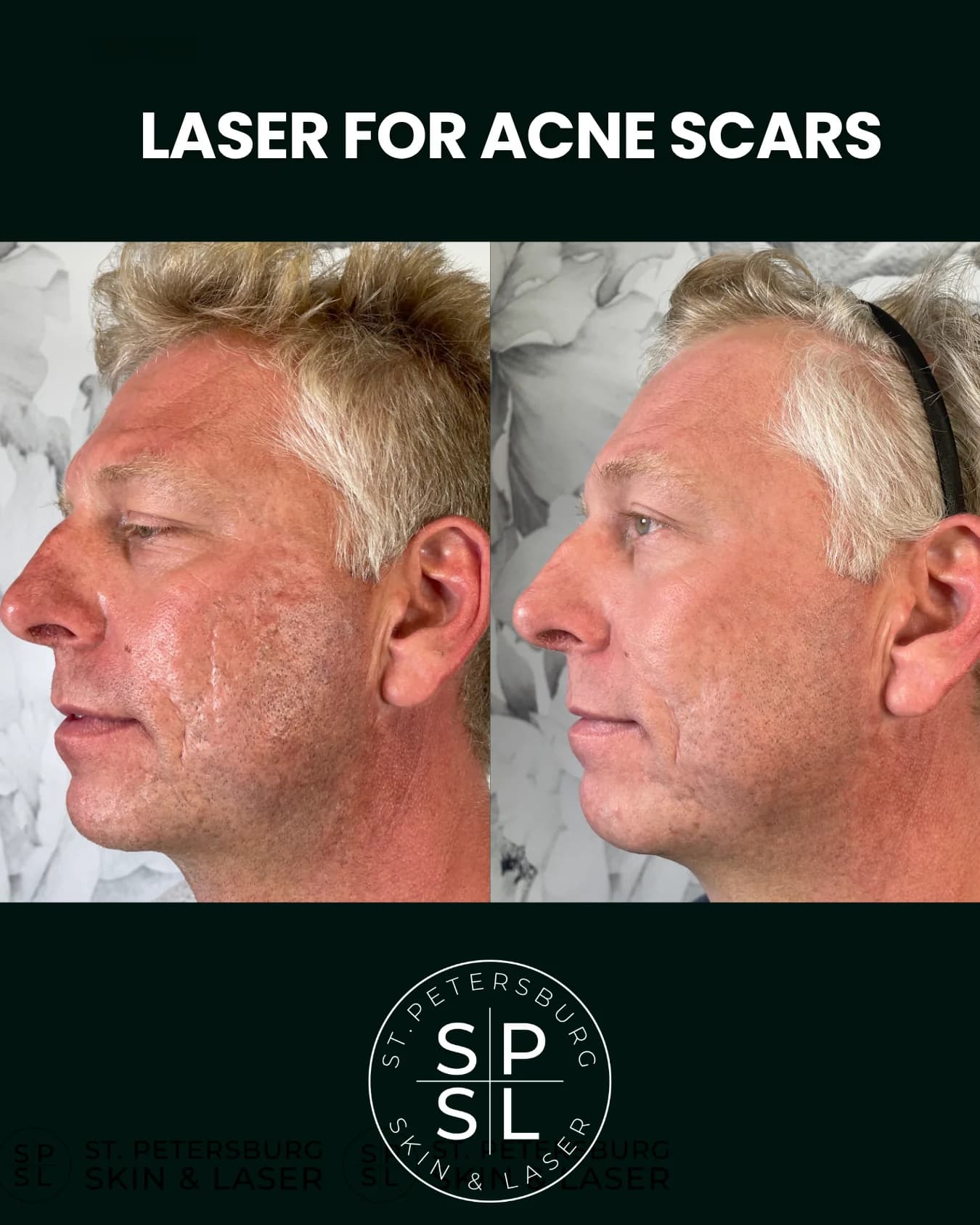
Acne scar treatment should never begin with a device. We first determine whether the scar is tethered, sharply edged, broad and shallow, pigment-dominant, vascular, enlarged-pore predominant, or mixed with age-related collagen loss. That structural diagnosis determines the exact treatment sequence.
At St. Petersburg Skin and Laser, we treat acne scars using a physician-only reconstruction model that may combine CO2 Laser, Erbium Laser, 1550 fractional resurfacing, 1927 pigment correction, Vascular Lasers, TCA CROSS, phenol CROSS, Subcision, PRP, PRP injections, chemical peels, and physician-directed regenerative recovery support. We do not believe in one-device scar protocols because acne scars are rarely created by one biologic problem.
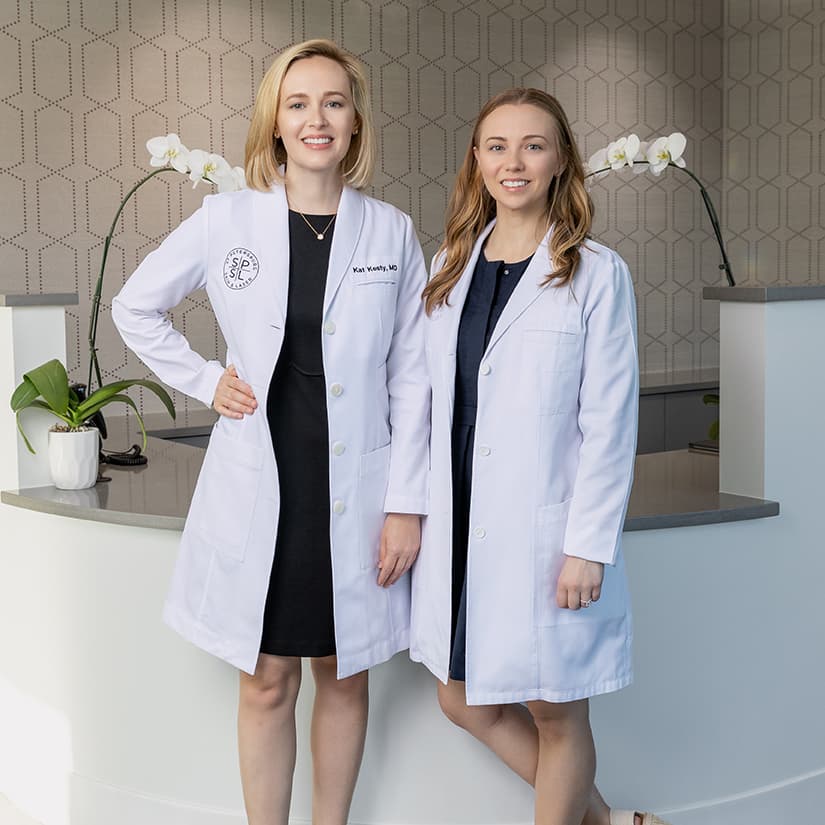
As Double Board Certified Dermatologists, Dr. Kat Kesty and Dr. Chelsea Kesty evaluate scar biology first:
- collagen loss
- fibrous tethering
- vascular inflammation
- epidermal pigment
- scar edge angle
- pore distortion
- active acne risk
- pigmentation risk
- downtime goals
This is how we create a truly custom regimen for you determined by Dr. Kesty.
Key Takeaways
- The best acne scar treatment depends on scar morphology, not trend-based devices.
- Rolling scars often require Subcision before any Laser.
- Ice pick scars often improve best with TCA or phenol CROSS.
- CO2 is ideal for deeper texture and mixed scar-aging overlap.
- Erbium offers precision with lower residual heat.
- 1550 is excellent for early and moderate textural scars.
- 1927 is often our first choice for acne-related hyperpigmentation.
- Vascular Laser should usually come before resurfacing for persistent red scars.
- All skin types can be treated safely with pigment-first sequencing.
Procedure Overview
At a Glance
- Procedure Name: Acne Scar Treatment
- Specialty: Cosmetic Dermatology
- Type: Multimodal scar reconstruction
- Technology: CO2, Erbium, 1550, 1927, Vascular Laser, CROSS, Subcision, PRP
- Common Concerns: rolling scars, boxcar scars, ice pick scars, red scars, PIH, enlarged pores
- Typical Recovery: 2–10 days depending on modality
- Performed By: Dr. Kat Kesty and Dr. Chelsea Kesty
What Is Acne Scar Treatment?
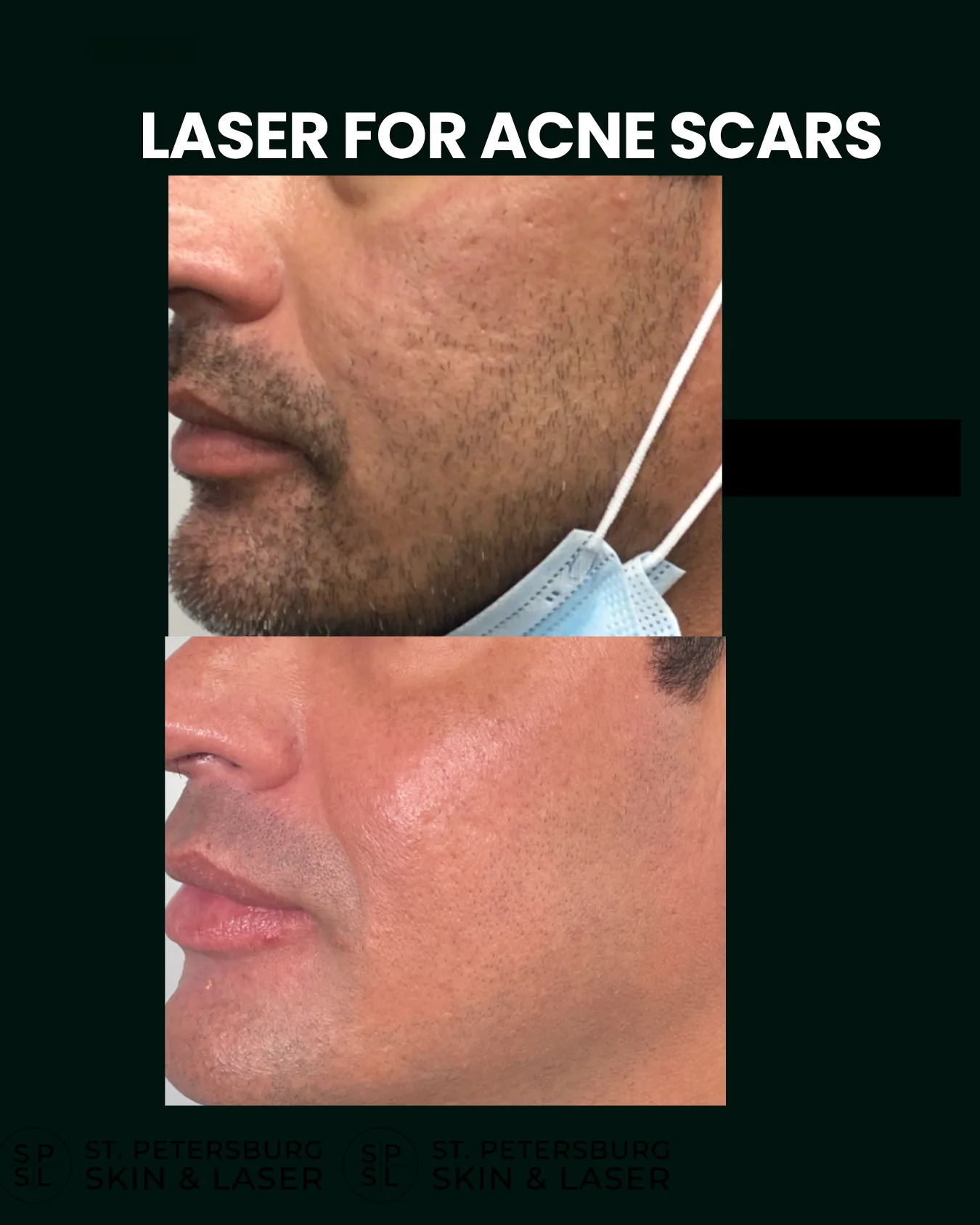
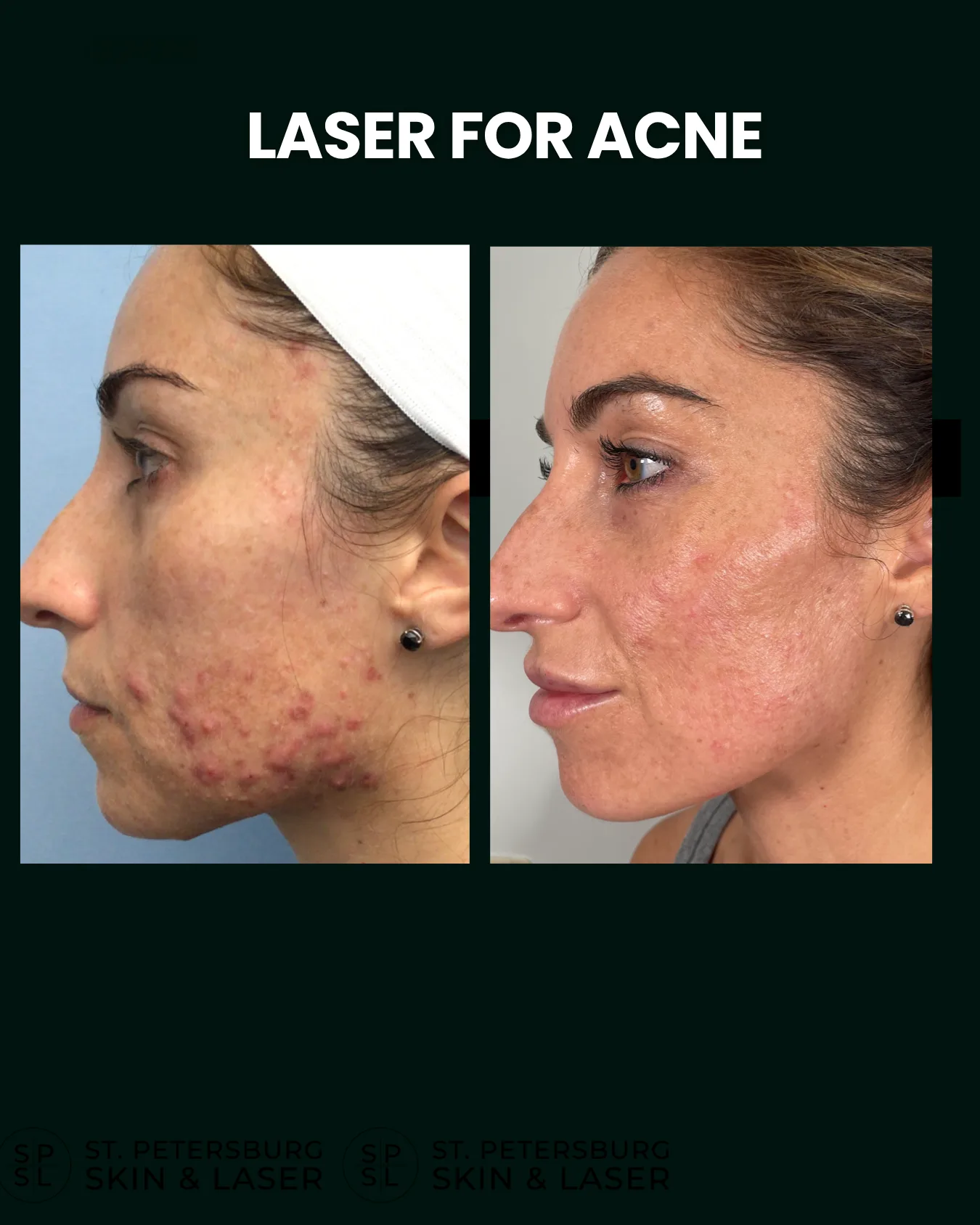
Acne scar treatment is a physician-designed treatment algorithm used to improve permanent structural changes caused by inflammatory acne. These changes may include atrophic depressions, scar tethering, redness, brown pigment, enlarged pores, and uneven texture.
We treat the exact mechanism causing visibility:
- shadowing from scar walls
- downward pull from tethering
- persistent redness from residual vessels
- brown discoloration from PIH
- diffuse roughness from collagen loss
Why Previous Acne Scar Treatments Often Fail
Many prior treatments fail because they targeted the skin surface instead of the scar mechanism. Common examples:
- rolling scars treated with Laser alone while tethering remains
- red scars treated with CO2 instead of Vascular Laser
- PIH worsened by aggressive ablative settings
- ice pick scars treated with full-face resurfacing without CROSS
- repeated superficial medspa sessions with no structural change
How We Choose the Right Acne Scar Treatment
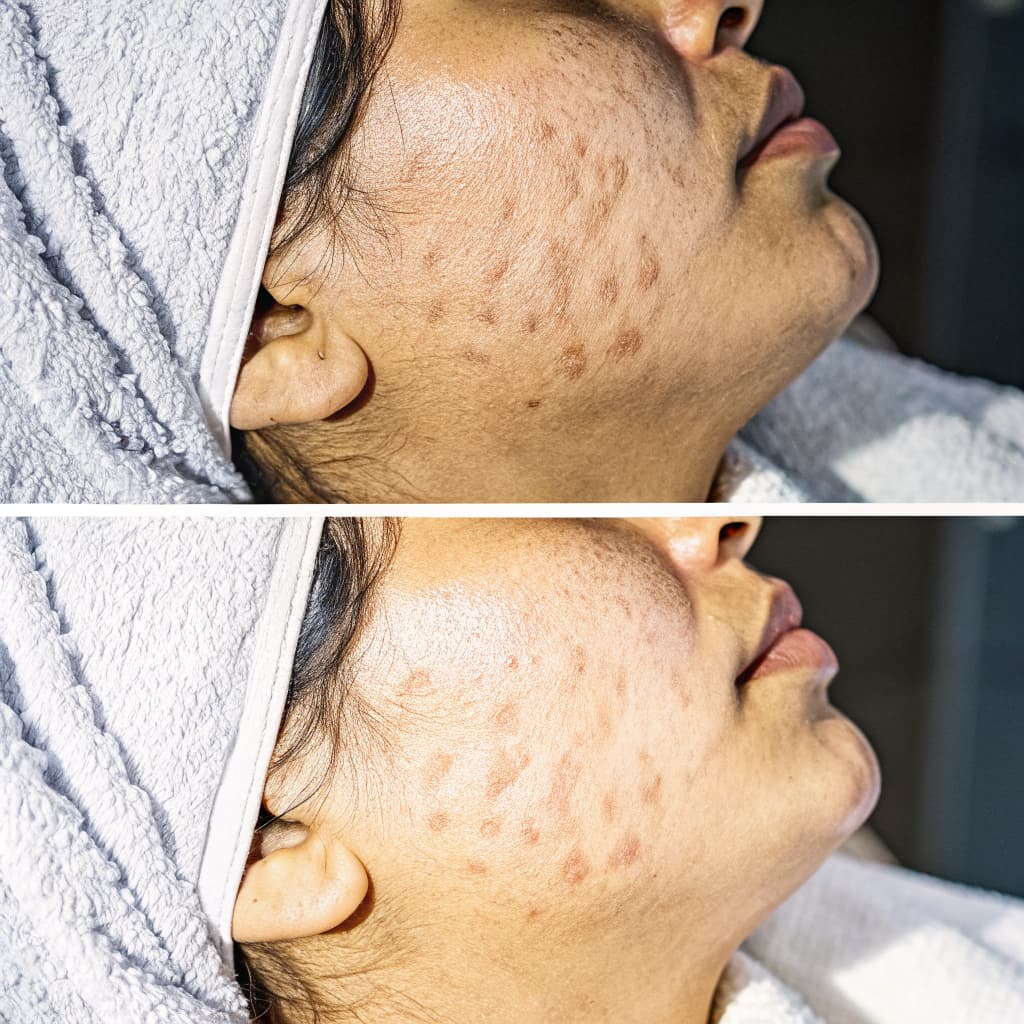
Rolling Scars
We first determine whether the scar is tethered. If yes, we usually start with Subcision, often followed by PRP injections and later resurfacing.
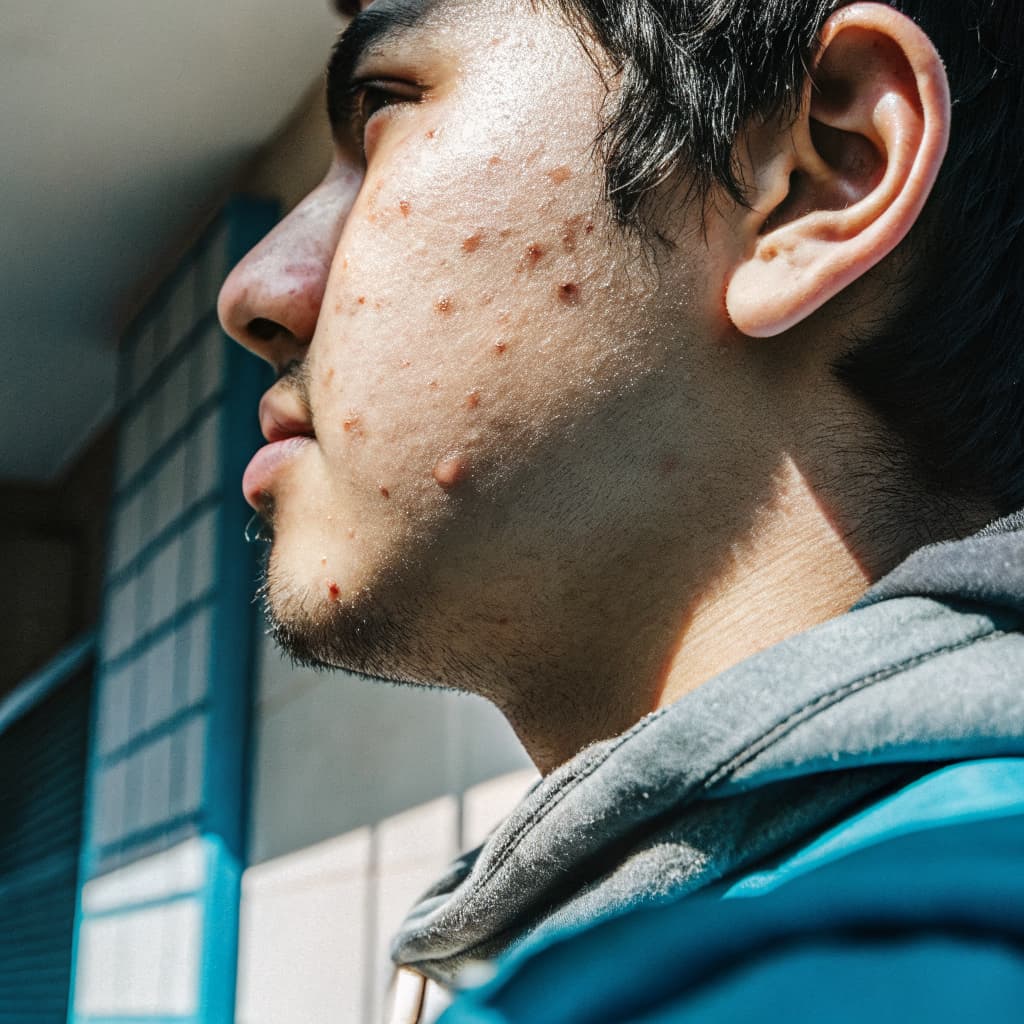
Boxcar Scars
For broad depressed scars, we usually stage 1550, CO2, Erbium, and focal edge blending.
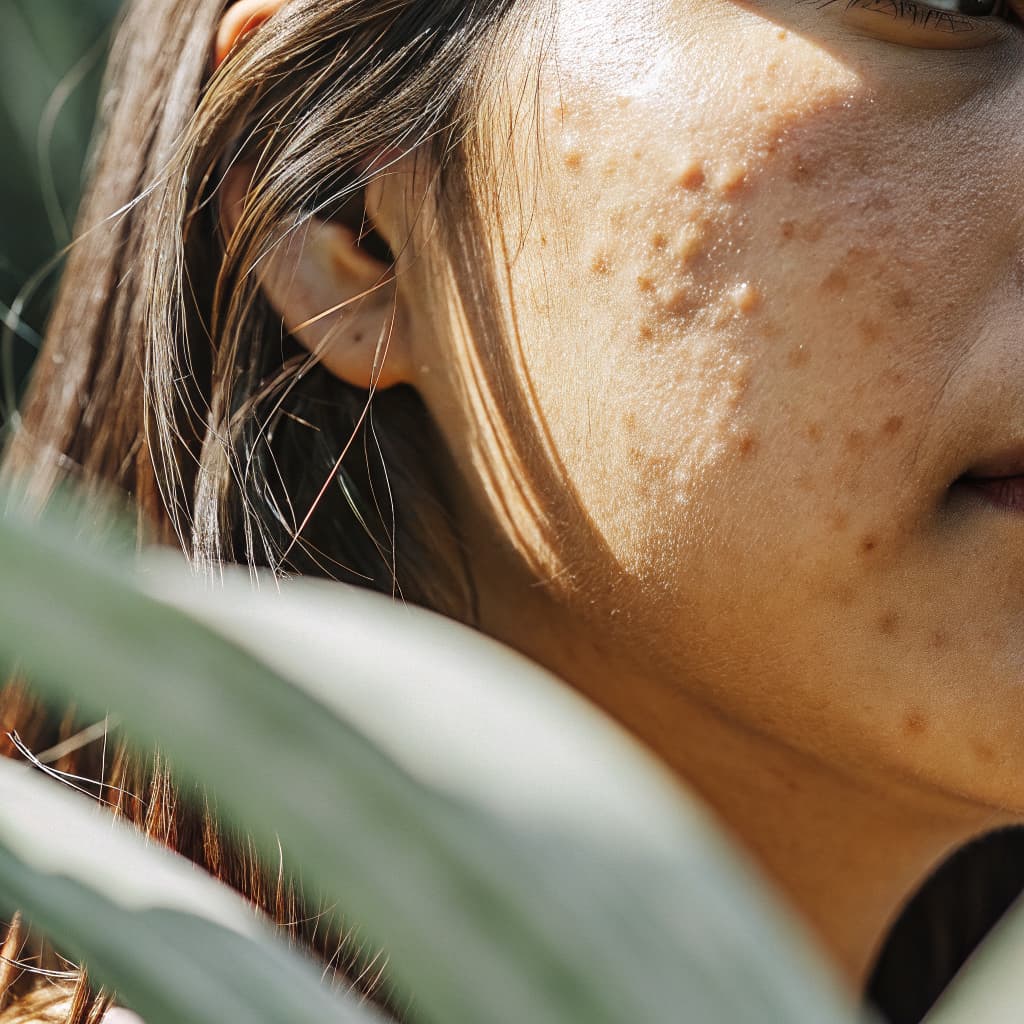
Ice Pick Scars
These almost always need TCA CROSS or phenol CROSS first, followed later by Laser blending.
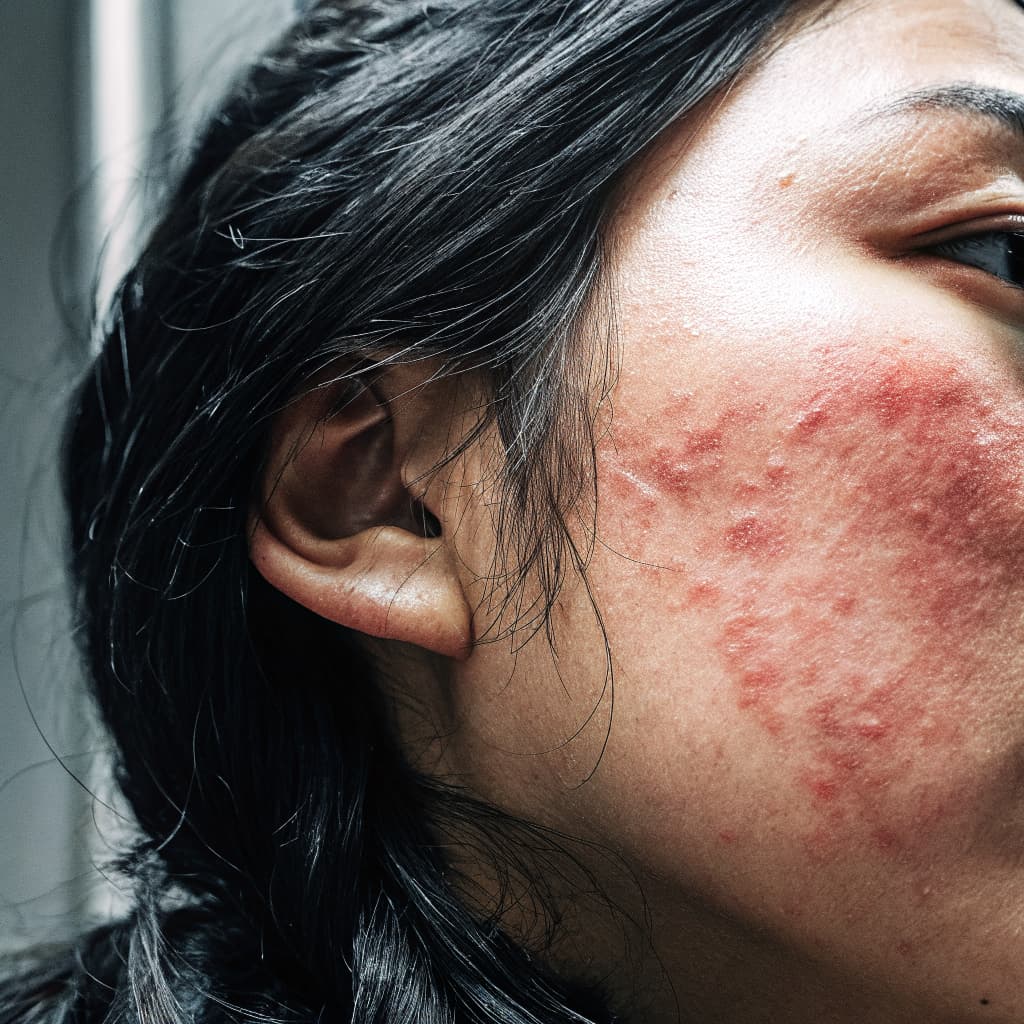
Red Acne Scars
Persistent pink scars usually need Vascular Laser before resurfacing.
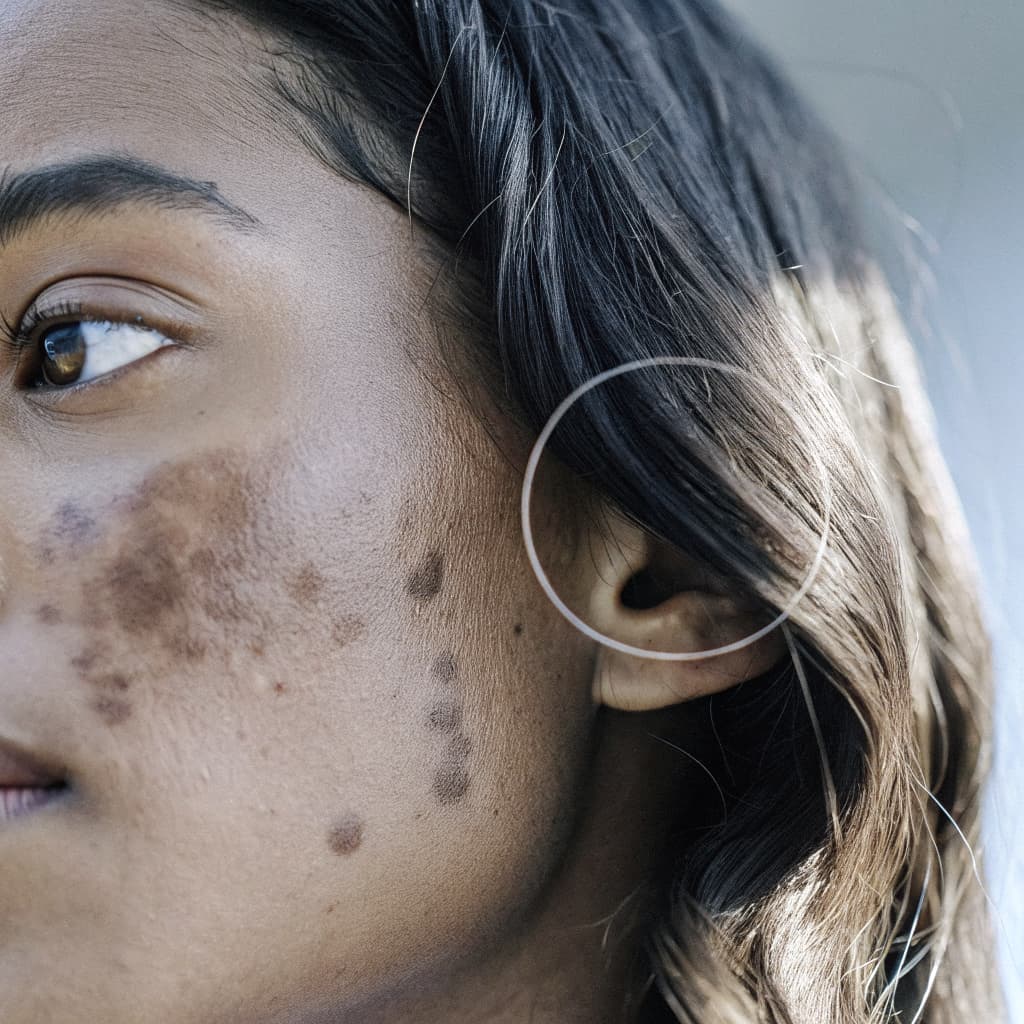
Brown Acne Marks
For PIH, we usually begin with 1927, pigment-safe peels, and physician-directed topicals before deeper collagen work.
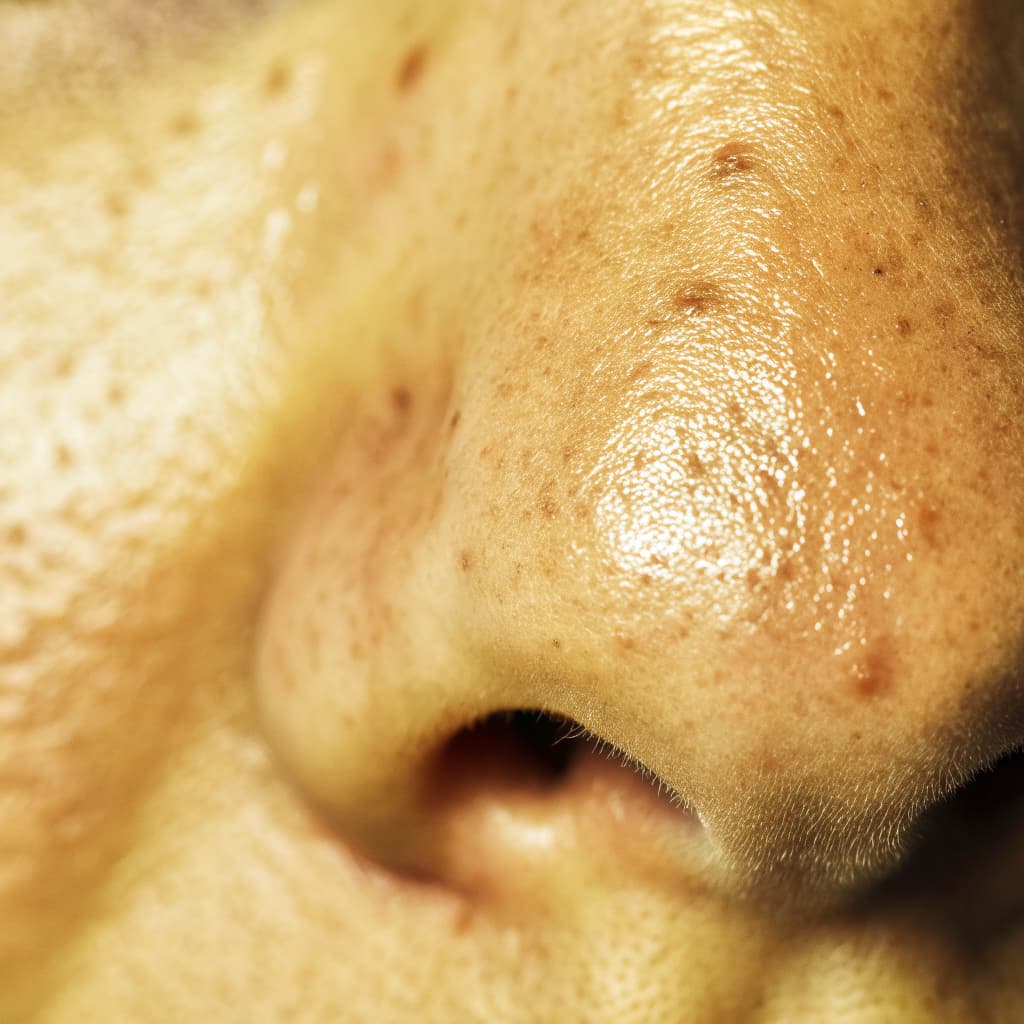
Enlarged Pores
Perifollicular collagen loss responds well to 1550, CO2, and Erbium around the follicular opening.
CO2 vs Erbium for Acne Scars
CO2 is usually preferred for deeper boxcar scars, diffuse roughness, and scars combined with wrinkles. Erbium is often preferred when we want precise resurfacing with less residual thermal injury and faster social recovery.
| Feature | CO2 | Erbium |
|---|---|---|
| Depth power | highest | high |
| Heat | higher | lower |
| Best for | severe mixed scars | precise refinement |
| Downtime | longer | shorter |
| PIH caution | higher | lower |
Other Treatment Comparisons
1550 vs CO2
1550 is often our preferred first resurfacing step for mild-to-moderate acne scars, enlarged pores, and patients wanting less downtime. CO2 is stronger for severe scars and sharper edge remodeling.
CROSS vs Laser
CROSS is often best for narrow vertical ice pick scars. Laser is better for global blending and broad texture irregularity. The strongest outcomes often come from staging CROSS first and resurfacing later.
Laser vs RF Microneedling
For mild early scars, RF microneedling may help. For moderate and severe acne scars, wavelength-specific Lasers often provide better biologic matching, pigment control, and scar-edge refinement.
Skin-of-Color Acne Scar Treatment
In melanin-rich skin, we typically stage treatment as:
- active acne control
- pigment prep
- 1927 or pigment-safe peel
- Vascular Laser if erythematous
- 1550 collagen remodeling
- focal CROSS
- conservative CO2 or Erbium only if needed
This is how we safely treat all skin types.
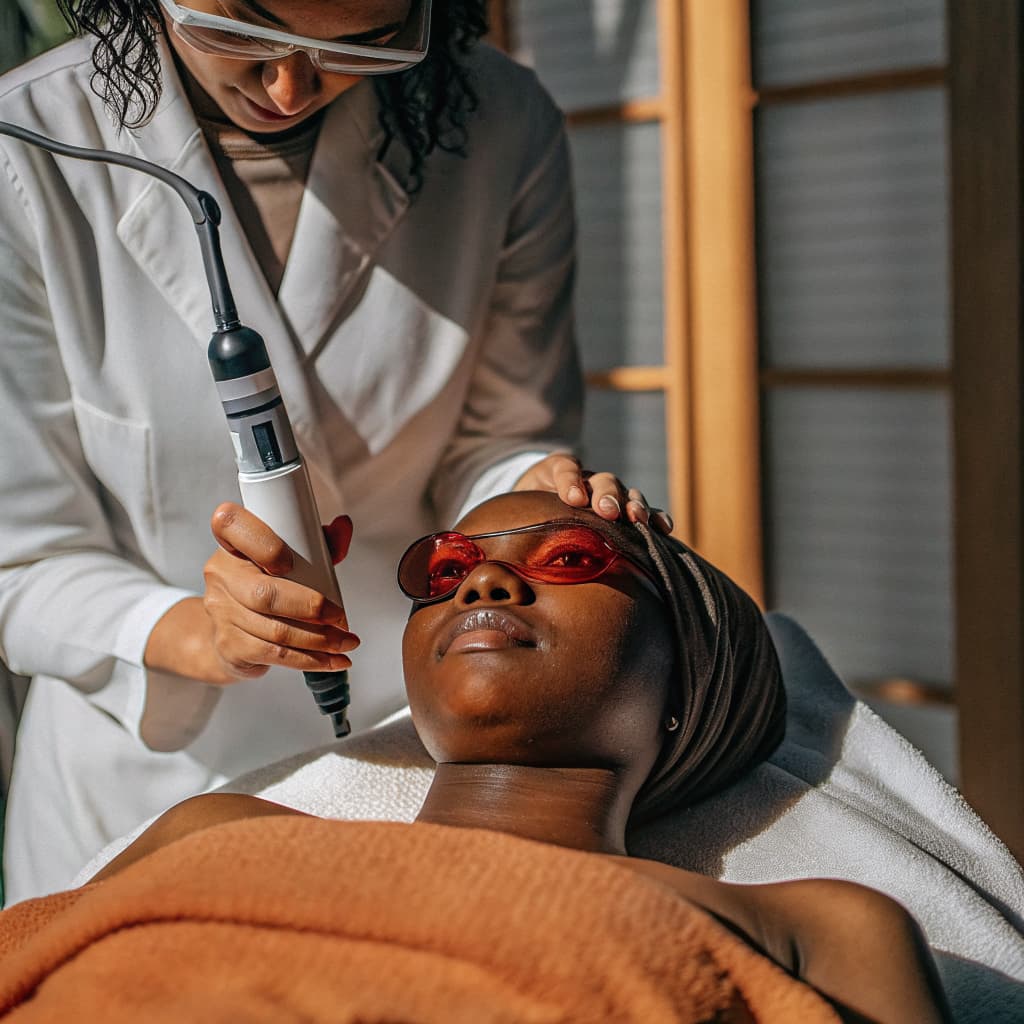
Why Physician Expertise Matters
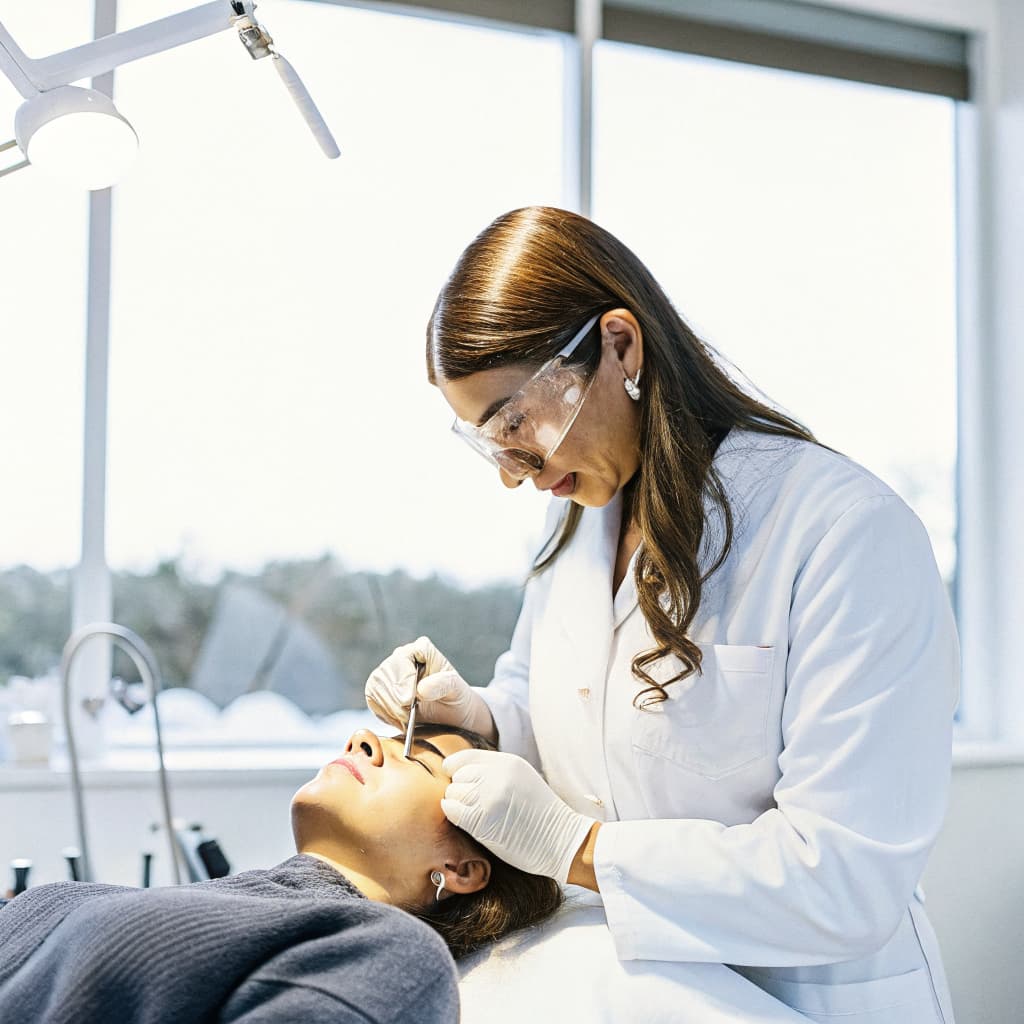
The difference is not owning a Laser. The difference is knowing:
- which wavelength matches the scar
- when not to Laser
- when Subcision must come first
- when redness is vascular not textural
- how to prevent PIH
- how to stage across months
This is why physician-only acne scar reconstruction consistently outperforms one-size-fits-all resurfacing.
Downtime by Treatment Type
| Treatment | Typical Downtime | Best For |
|---|---|---|
| 1927 | 2–4 days | PIH, tone blending |
| 1550 | 3–5 days | early texture, pores |
| CO2 | 7–10+ days | severe boxcar, mixed scars |
| Erbium | 5–7 days | precise resurfacing |
| CROSS | 3–5 days focal | ice pick scars |
| Subcision | 5–7 days bruising | rolling scars |
Results Expectations by Scar Type
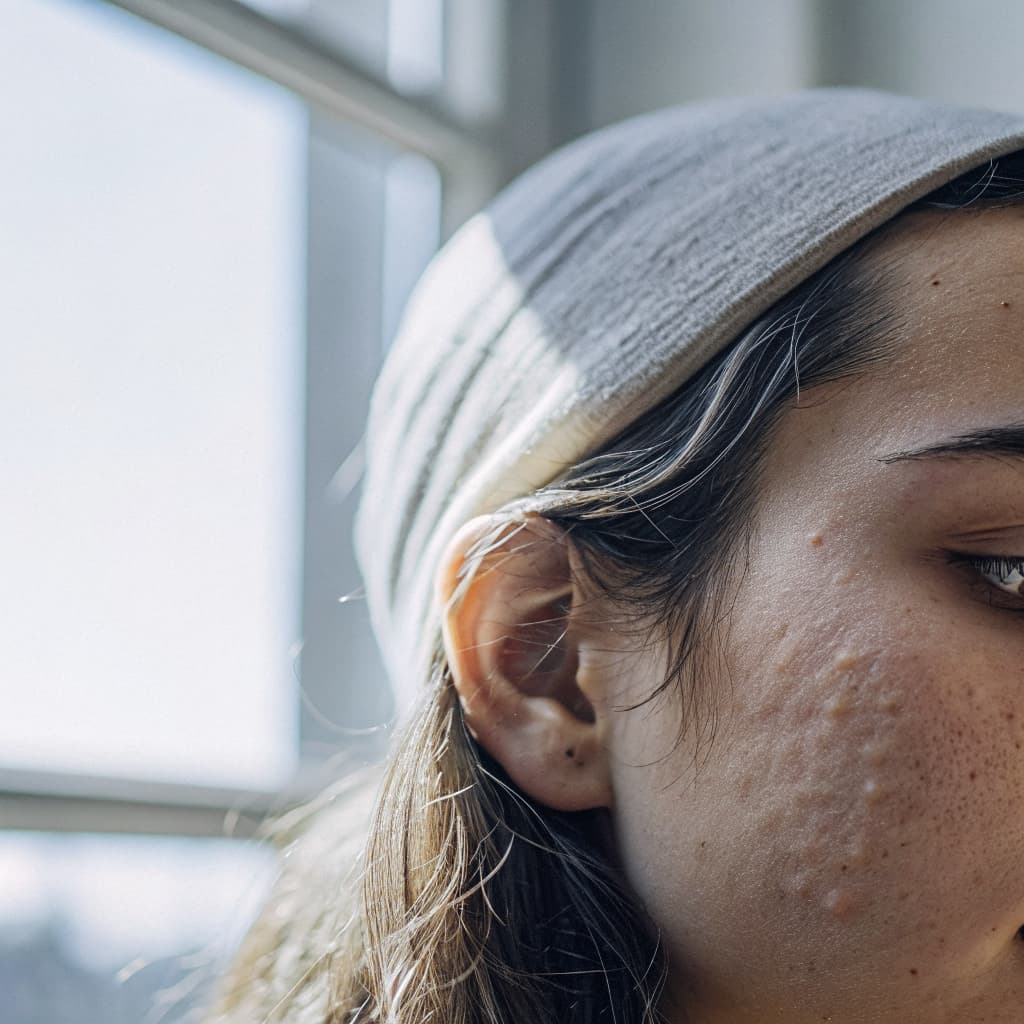
Rolling Scars
Often the fastest visible improvement once tethering is released. Early change after Subcision, then additional gains over 3–6 months.
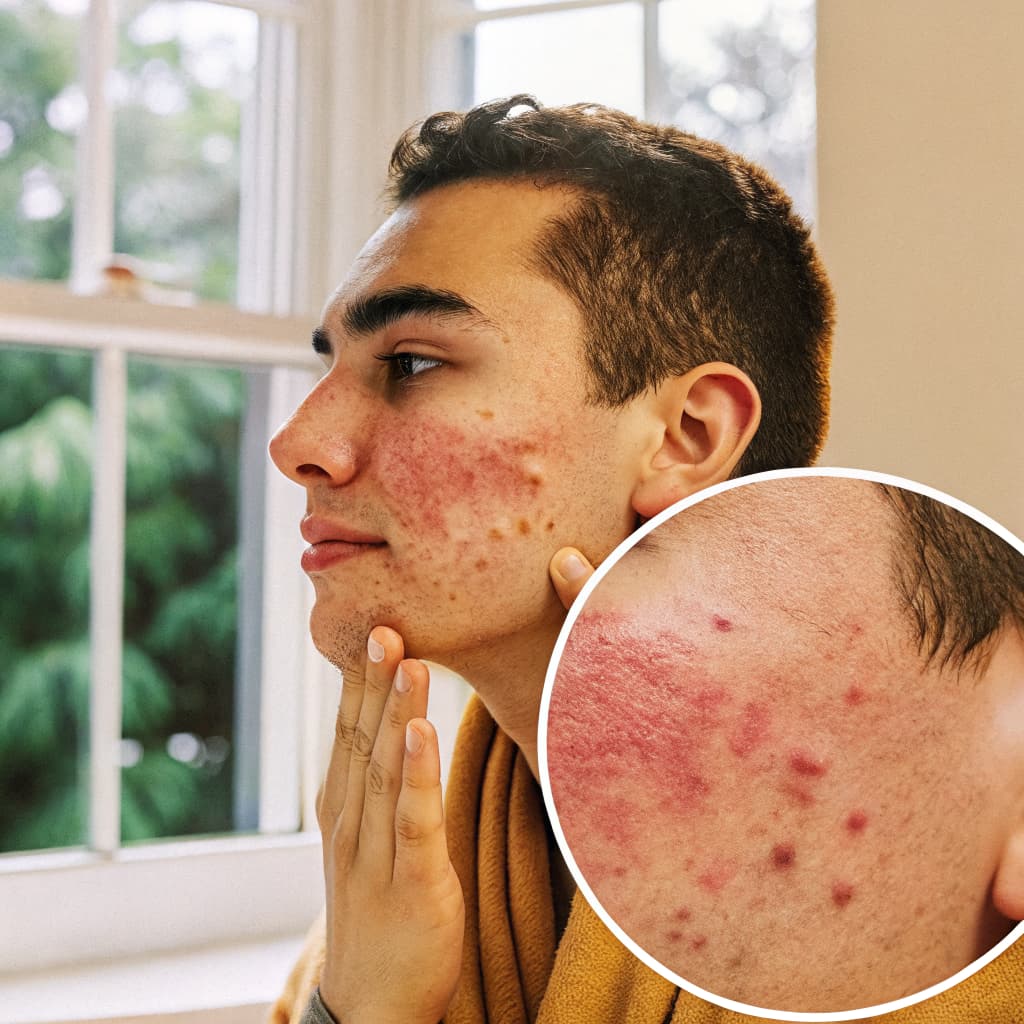
Boxcar Scars
Improve in stages — early resurfacing softens walls; later CO2 or Erbium refines broader texture and light reflection.
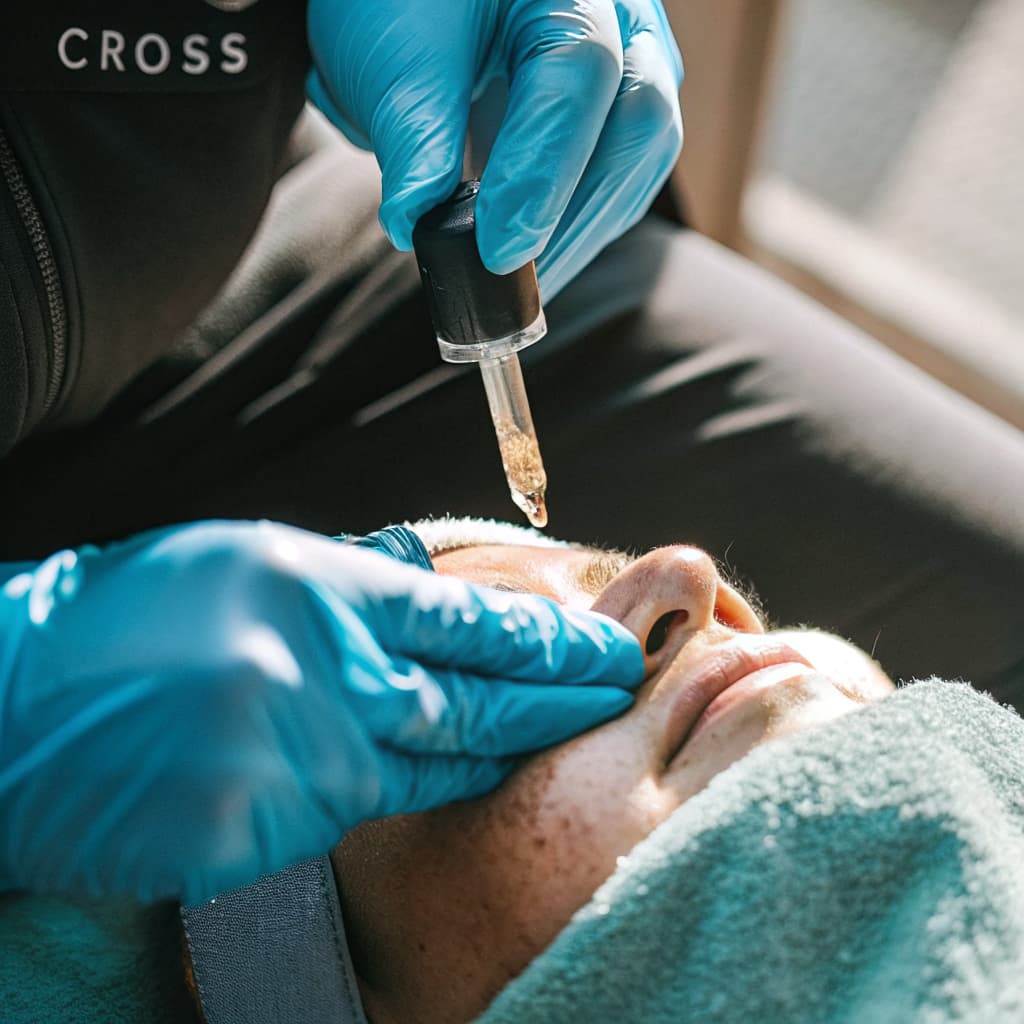
Ice Pick Scars
Improve gradually with multiple CROSS sessions before Laser blending. Endpoint is softer edges and reduced visible depth.
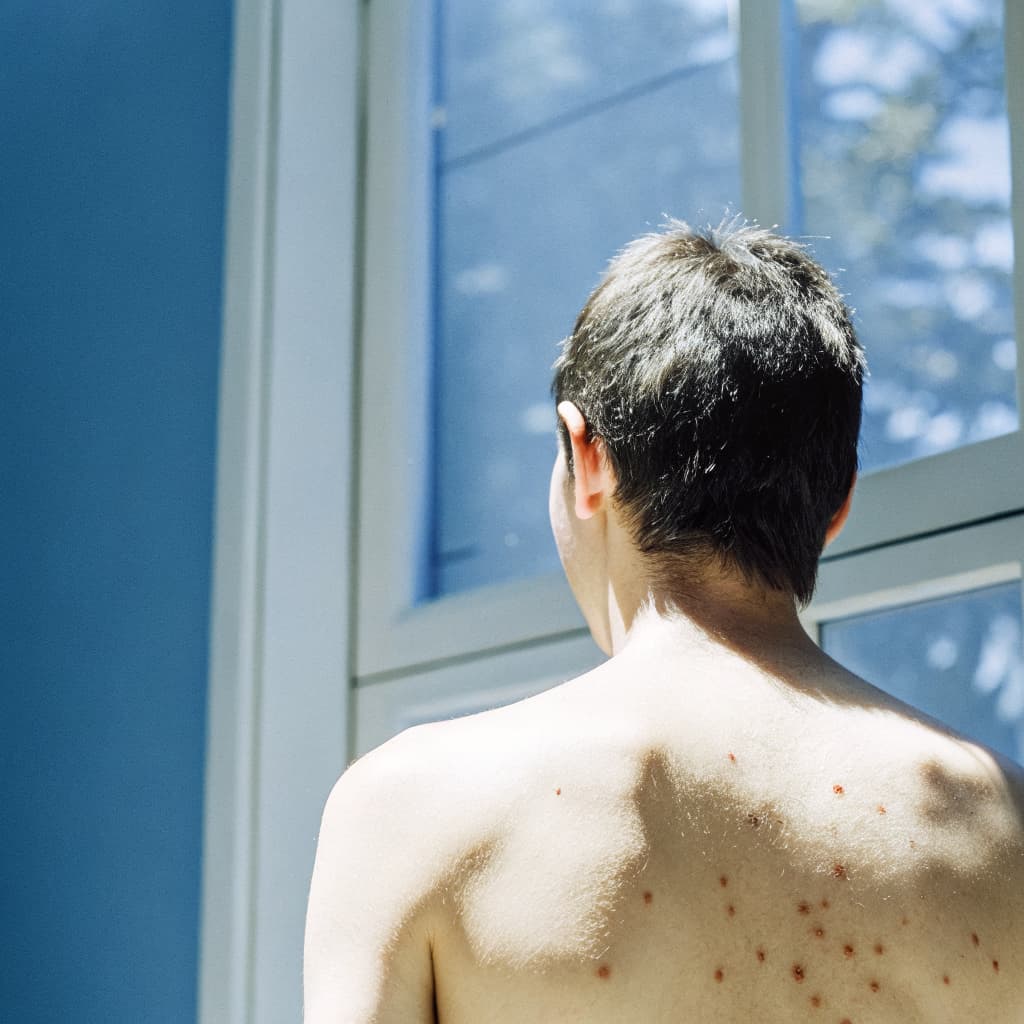
Chest and Back Acne Scar Treatment
Chest and back acne scars require different energy settings because the skin is thicker, healing is slower, and scar biology may include hypertrophic change in addition to atrophic loss.
We often stage these areas with:
- 1550
- 1927 for pigment
- Vascular Laser for redness
- selective CO2
- conservative chemical peels
The 6-Month Acne Scar Transformation Process
Month 1
Scar Mapping & First Structural Treatment
Stabilize active acne, map scar subtype, and often begin with Subcision, CROSS, 1927, or 1550.
Months 2–3
Collagen Remodeling Phase
Layer 1550, Erbium, PRP, or Vascular Laser depending on how the scars are evolving.
Months 4–6
Refinement and Edge Blending
CO2, Erbium, focal CROSS, and final pigment blending create the most meaningful visual refinement.
Acne Scar Treatment Cost
The cost of acne scar treatment depends on the scar subtype, number of modalities, body area, and number of staged sessions required.
- 1927 and 1550 are resurfacing sessions
- CO2 and Erbium are typically higher-complexity physician Laser procedures
- CROSS and Subcision are often focal add-on structural procedures
- PRP injections may be added for regenerative healing support
The most cost-efficient treatment is the one matched correctly the first time.
Frequently Asked Questions
Medical Expertise and Review

Related treatments
Post-acne pigment and acne scars are often treated together.
Trusted by Patients & Recognized by Industry Leaders